Blue doors, Roman stone, Sahara stars.
Which Tunis day fits Carthage, the Bardo and Sidi Bou Said without the rush. Whether the two-day Sahara run earns its long drive. Where the Star Wars sets still stand. Every tour in Tunisia, reviewed and ranked.
Five Tunisian bases, north to deep south
 Tunis73 tours
 Hammamet29 tours
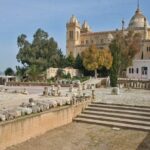 Sousse & Monastir29 tours
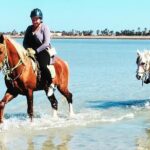 Djerba32 tours
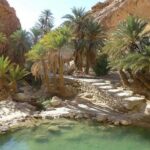 Tozeur & the Sahara18 tours
- Every Tunisia review →
El Jem by morning, the medina by four, or a week past Tozeur?
Three very different Tunisias, bookable tonight. The ruins day runs on early starts and shade, the medina asks for a slow afternoon, and the Sahara only makes sense with at least one night in a camp.
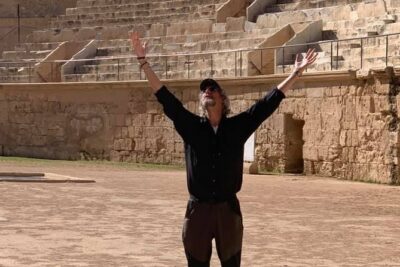
El Jem, Kairouan and the Roman south
The amphitheatre still seats a town, and the arena floor and underground galleries are open to walk. Most runs pair it with Kairouan and a coast stop.
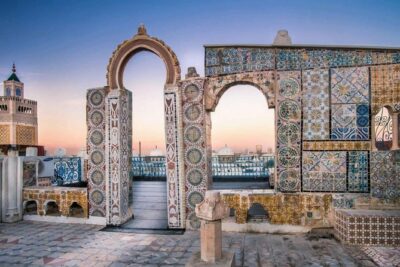
Tunis medina, door by studded door
A guide gets you past the souvenir front rows and into the dyers’ souks, the studded doors and the rooftop terraces where the mint tea waits.
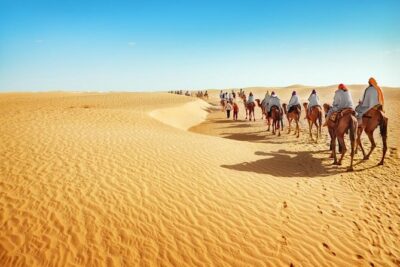
Douz, Ksar Ghilane and a night under canvas
The dune sea starts past Douz. Two-day runs deliver a sunset ride, a camp dinner and dawn over the erg; longer circuits add the salt lake and the canyon oases.
Carthage in the morning, Sidi Bou Said before the light goes.
All 41 Carthage & Sidi Bou Said tours →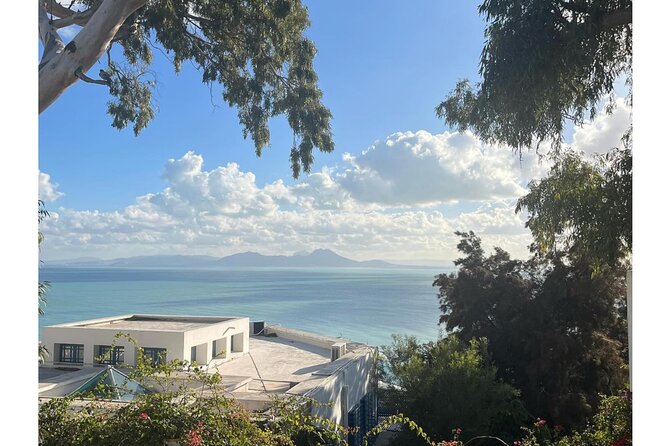
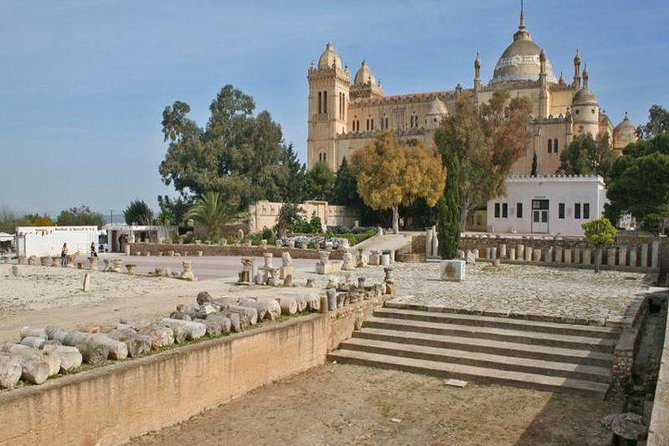
Punic harbours and the Antonine baths first, the Bardo’s mosaics if you pace it right, then the blue-and-white lanes above the gulf for the late light. These three carry the most travellers; the full list splits by pace and pickup city.
The tours Tunisia books first.
Every review →The most-travelled days in the country, ranked by the people who took them. Start here if you have one free day and no patience for research.
 1
1
VIP Tour: Tunis Medina/Bardo, Sidi Bou Said, Carthage
VIP day trip from Sousse to Sidi Bou Said, Medina (or Bardo) and Carthage, with air-conditioned pickup and flexible time.
From · $30
Read our review →2
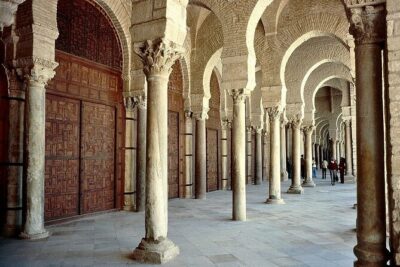
Fun VIP Tour: El Jem, Kairouan, Monastir/Sousse
from $30
 3
Private Tour to Kairouan, El Jem & Monastir from Tunis
from $98
3
Private Tour to Kairouan, El Jem & Monastir from Tunis
from $98
 4
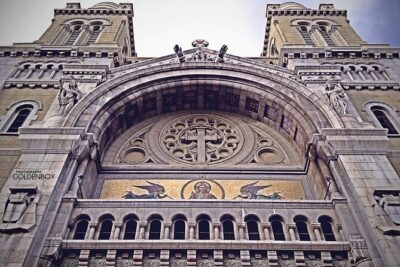
Private tour: Medina,Carthage ,Sidi Bou Said, Bardo Museum+lunch
from $46
4
Private tour: Medina,Carthage ,Sidi Bou Said, Bardo Museum+lunch
from $46
 5
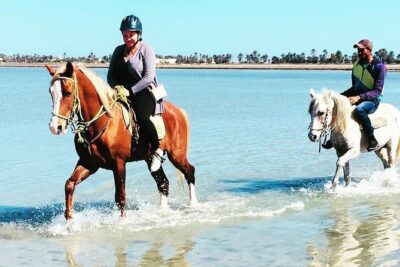
Discovery ride on horseback or camel 2h30
from $45
5
Discovery ride on horseback or camel 2h30
from $45
 6
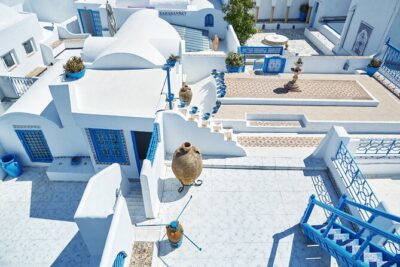
Carthage, Bardo Museum, Sidi Bou Said and Medina Private Day Tour
from $30
6
Carthage, Bardo Museum, Sidi Bou Said and Medina Private Day Tour
from $30
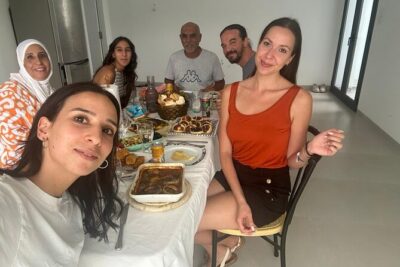 7
Cook and Connect: Tunisian Culinary Adventure with a Local Family
from $75
7
Cook and Connect: Tunisian Culinary Adventure with a Local Family
from $75
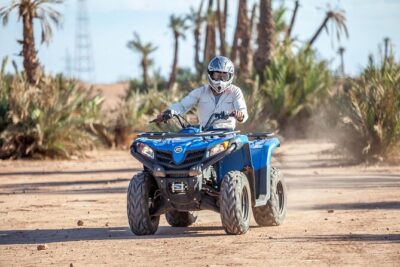 8
Quad ride on the hills of Hammamet
from $46
8
Quad ride on the hills of Hammamet
from $46
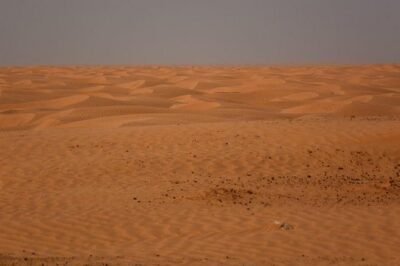
Past Tozeur, the road runs out. That is the point.
Chott el Jerid’s salt glare, the canyon oases at Chebika and Mides, then sand to the horizon. The two-day circuits from the coast do it fast; the Tozeur and Douz departures do it properly.
What your dinar buys in Tunisia.
Every reviewed tour, sorted by what it actually costs. Tunisia is the rare country where the headline sight can cost less than the taxi that gets you there.
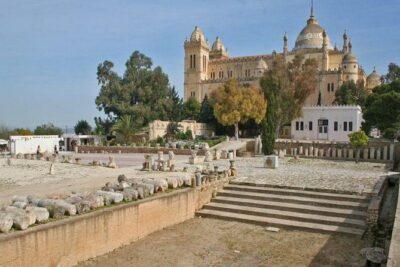
Medina walks, camel hours, quad sunsets and the big combo days out of Tunis. Most of the country’s icons live down here.
Private ruins circuits, cooking days with a family lunch, and the one-night Sahara runs from the coast resorts.
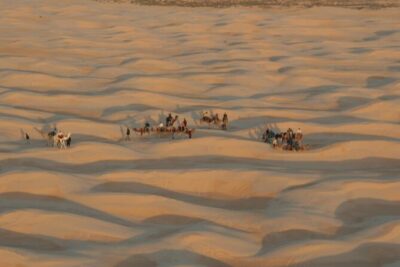
Multi-day desert circuits, private drivers across the country and the trips that need a tent and a 4x4.
Three days only Tunisia can stage.
Roman ruins and camel treks exist elsewhere. An intact colosseum with no queue, a working film set from 1976 and a dune camp a short flight from Europe do not.
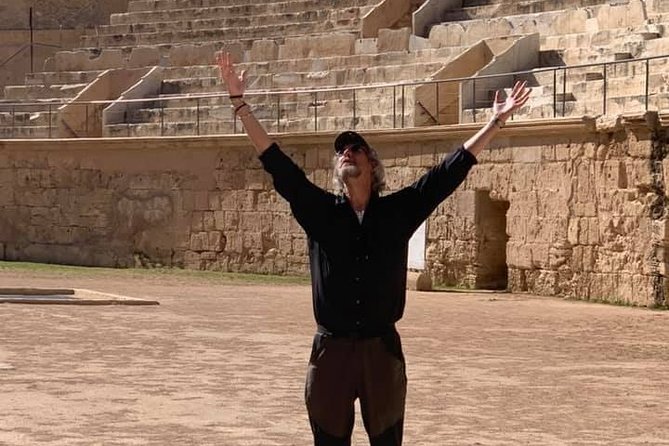
The El Jem Colosseum
El Jem seats thirty-five thousand, and you can still walk the arena floor and the underground galleries where the animals waited. It is better preserved than the Colosseum in Rome, a UNESCO site since 1979, and on an average morning you share it with a school group and the wind.
- 1Fun VIP Tour: El Jem, Kairouan, Monastir/Sousse★★★★★★★★★★ 5.0 · 451 reviews
- 2Private Tour to Kairouan, El Jem & Monastir from Tunis★★★★★★★★★★ 5.0 · 301 reviews
- 3Daytrip to Kairouan and El Jem Colosseum★★★★★★★★★★ 4.5 · 55 reviews
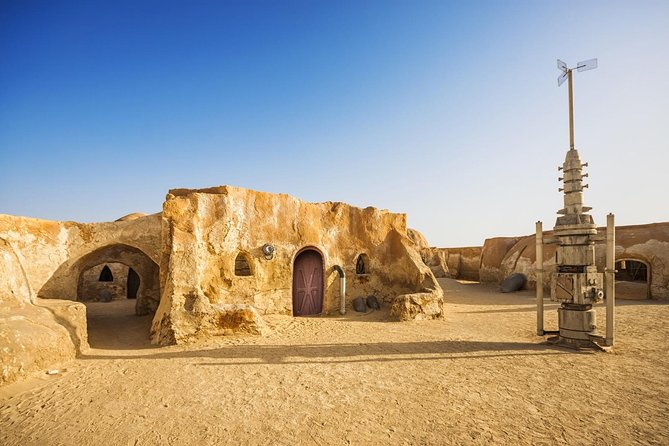
The Star Wars Sets
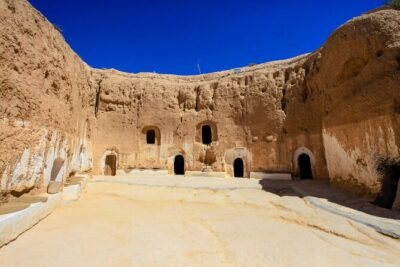
Lucas named Tatooine after Tataouine, a real town in the Tunisian south, and the sets never left. Mos Espa still stands in the sand near Ong Jemel, the Lars homestead dome has been restored, and the Hotel Sidi Driss in Matmata, the pit-house where Luke ate dinner, still takes guests.
- 1One night under the tent: Tataouine – Chenini – Ksar Ghilane – Matmata★★★★★★★★★★ 5.0 · 53 reviews
- 2Door of the tunisian desert Ksar Ghilane and Matmata: Full one Day★★★★★★★★★★ 4.0 · 42 reviews
- 3Private Day Trip Tataouine and Berber Village★★★★★★★★★★ 5.0 · 40 reviews
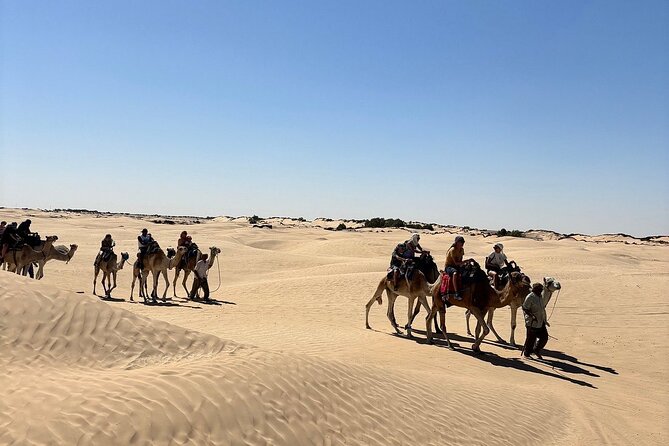
The Camel Hour
From Douz, the gateway to the Grand Erg Oriental, the caravans leave at the hours photographers keep: first light and the last of it. An hour in the saddle is enough to lose the town; the overnight treks trade your hotel pool for a camp under more stars than seems reasonable.
- 1Discovery ride on horseback or camel 2h30★★★★★★★★★★ 5.0 · 153 reviews
- 2Explore Djerba by camel and horse★★★★★★★★★★ 4.5 · 27 reviews
- 32-Day Tunisia Sahara Desert Camel Trek from Douz★★★★★★★★★★ 5.0 · 27 reviews
Djerba runs on island time.
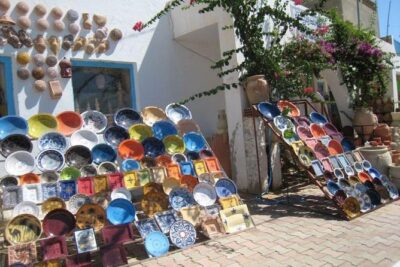
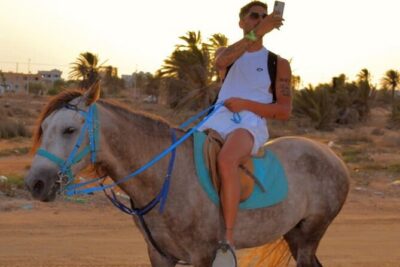
Flamingo Island by pirate boat, pottery souks stacked with plates, horses in the shallows and a crocodile farm nobody expects. A causeway keeps it easy to reach, and the Sahara overnights leave straight from the hotels.
All 32 Djerba tours →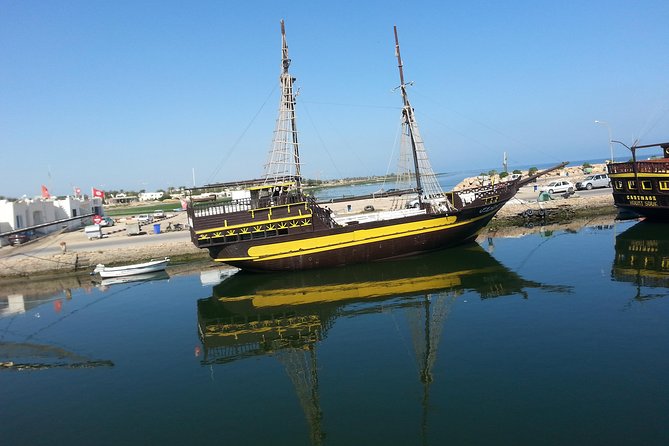
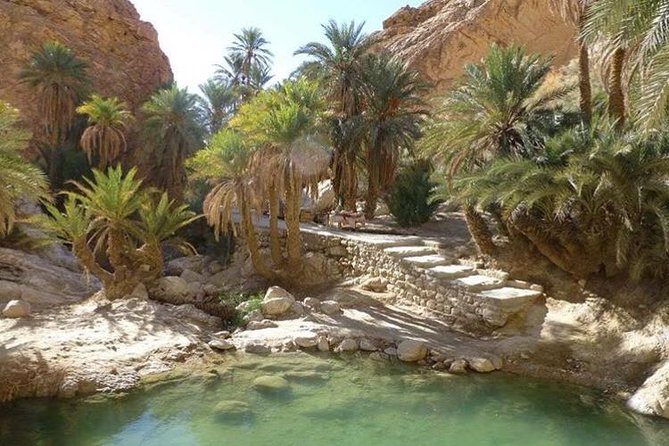
Tunisia keeps two calendars: the coast’s and the Sahara’s.
June to September belongs to the beaches, when Hammamet, Sousse and Djerba do their best work and the deep south sits above 40°C. From October to April the tables turn, and the desert circuits, camel treks and film-set runs hit their season. Book whichever Tunisia matches your dates.
Tunis to the dunes: a first Tunisia week, stop by stop.
 Tunis
Tunis Carthage & Sidi Bou Said
 El Jem
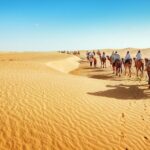 The Sahara
The newest Tunisia reviews.
All recent →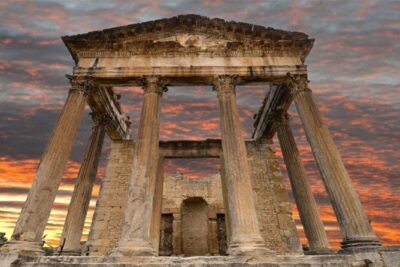
Explore Tunisia in Depth:The Private Grand Tour in 8 Days
Read our review →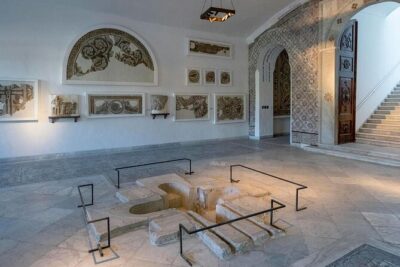
Private Group Day Tour Tunis Medina Carthage Sidi Bou Said
Read our review →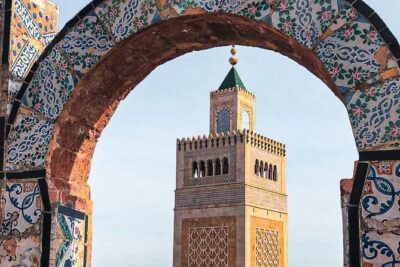
Private Tour Bardo Museum, Carthage, Sidi Bou Said and Medina
Read our review →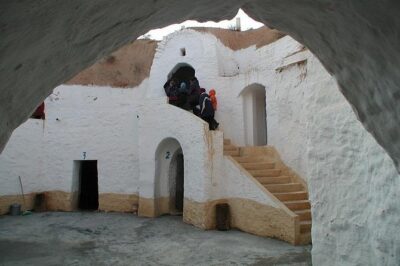
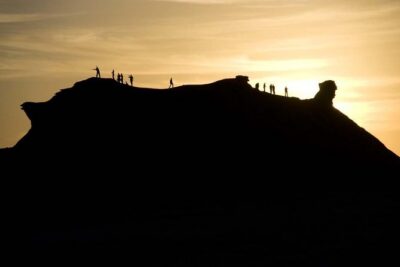
3DAYS 4×4 safari from Sousse/Hammamet/Tunis 100km deep in desert camp
Read our review →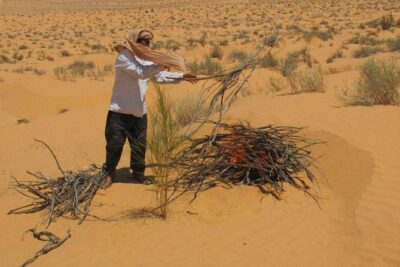
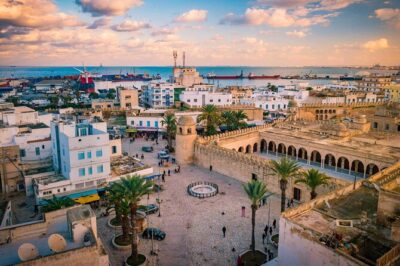
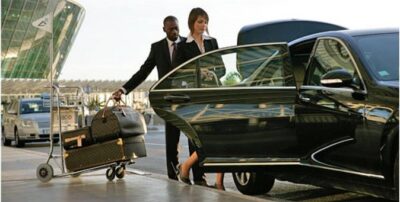
Enfidha Private Arrival Airport Transfer to Hammamet
Read our review →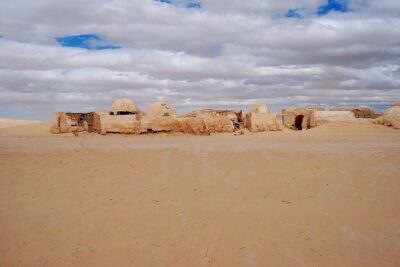
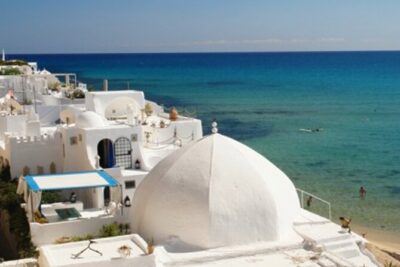
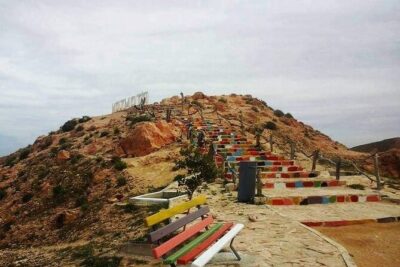
4-Day Private Tour: Sahara and Djerba Island from Tunis and Hammamet
Read our review →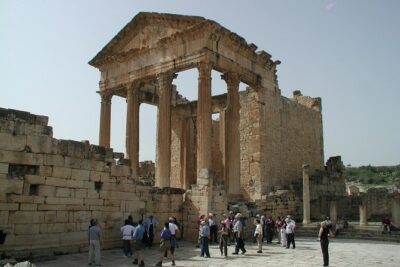
DAY TRIP TO Dougga & Bulla Regia , DEPARTURE FROM Tunis
Read our review →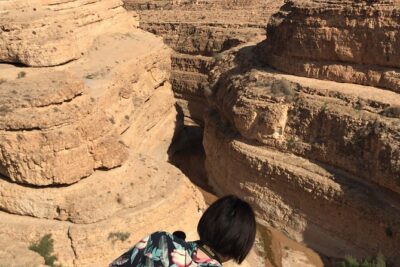
Tamerza, Chebika, Mides Canyons and Star Wars Full-Day Tour
Read our review →