Reviewed · CARTHAGE & SIDI BOU SAID TOURS
Carthage, Bardo Museum, Sidi Bou Said and Medina Private Day Tour
This is interesting because you stack two UNESCO sites, a coastal town, and the Tunis medina into one day. I especially like how the tour pairs Carthage’s Roman remains with the Bardo Museum mosaics, so you see Roman life from street level and from the museum floor. The only real drawback is that the day is packed, so you need to be okay with short stops and moving on when the clock says so.
I also like the logistics: hotel pickup and drop-off in a climate-controlled car with a private driver makes Tunis traffic feel manageable. And if you book the guided option, you get a licensed guide to connect the dots across centuries. Just double-check what you selected, because lunch and museum entrances depend on the option.
Key highlights worth your attention

- Carthage’s excavations with big-view moments: you get a guided walk with coastal panoramas and standout Roman ruins
- Bardo Museum, Roman mosaics on another level: a focused 1-hour visit to a world-famous collection
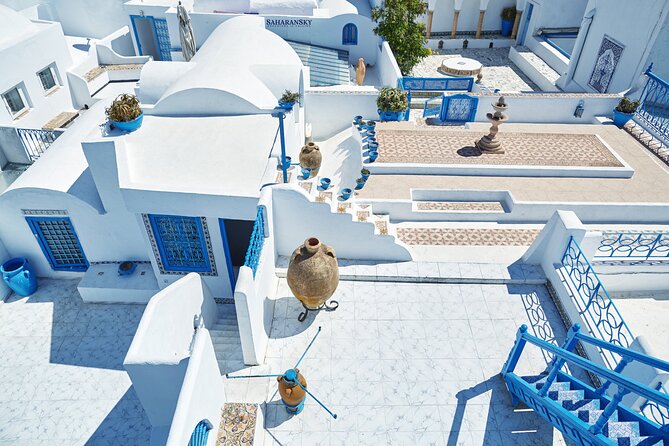
- Sidi Bou Said in time for a relaxed lunch: cobbled lanes, blue-and-white houses, and sea breezes
- Fast, well-placed medina landmarks: Bab el Bhar and Zitouna Mosque give you context without eating the whole day
- Shopping stops that match local craft: cap-makers and perfume markets, with a guide to help you navigate
- Private day format: it’s built for your group, not a crowded bus shuffle
Why this day trip from Tunis feels like a smart shortcut
If you only have one day around Tunis, this tour gives you a quick syllabus of Tunisia. You start with Carthage, where Roman power left literal infrastructure behind. Then you shift to Sidi Bou Said, the postcard seaside town that still feels like a real place for locals and visitors. Finally, you end in the medina, where daily life, religion, and trade overlap on narrow streets.
The best part is the way the stops echo each other. Roman Carthage shows you what a city needed to run. The Bardo Museum shows you what people valued enough to turn into art. And the Tunis medina shows you how Tunis still works as a living city, not a museum set.
You’ll also appreciate the pacing style. It’s not a “sit and admire one thing for hours” day. It’s built to hit the major markers efficiently, then let your guide help you understand what you’re looking at.
More from Tunis to compare against
- Private tour: Medina,Carthage ,Sidi Bou Said, Bardo Museum+lunch
★ 5.0 · 230 reviews - Tunis: Carthage, Bardo Museum, Sidi Bou Said & Medina Group Tour
★ 4.5 · 33 reviews - Private Day Tour Tunis Medina Carthage Sidi Bou Said Bardo Museum
★ 5.0 · 30 reviews
Getting picked up in Tunis (and Hammamet) without wasting daylight

This tour is set up with hotel pickup and drop-off from Tunis or Hammamet. You’re transported in an approved, insured tourism vehicle, and the car is climate-controlled, which matters in warm weather and on longer drives.
This kind of itinerary lives and dies by timing. Tunis traffic can be slow, so being able to start on time from your hotel helps. Plan to be ready a little earlier than you think, especially if your hotel lobby can be chaotic or if your guide needs to find you at a specific door.
One practical tip: if you’re traveling with a group or a tight schedule, confirm who the driver and guide are, and how you’ll locate them at pickup. Some meeting points can feel vague in big areas, so your best move is to be proactive and message the day before.
Carthage Archaeological Site: the Roman city you can actually picture

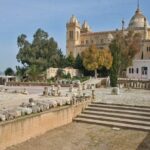
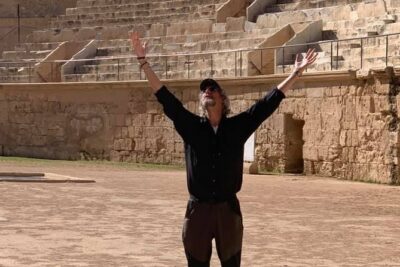
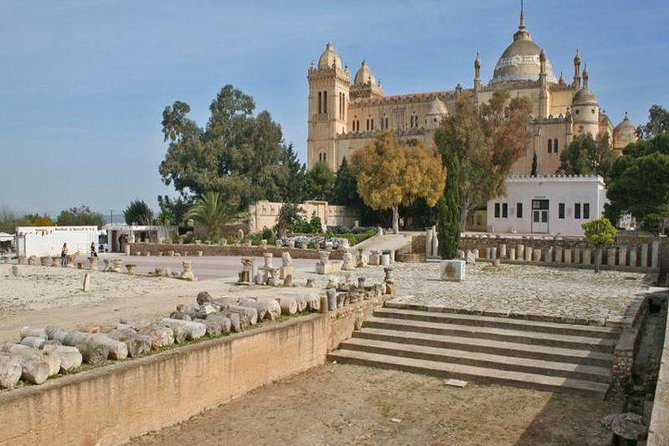
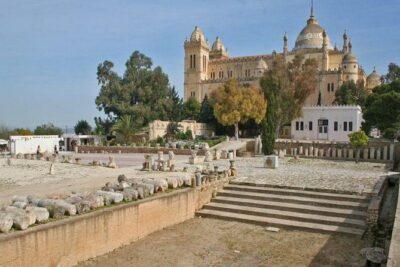
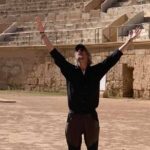
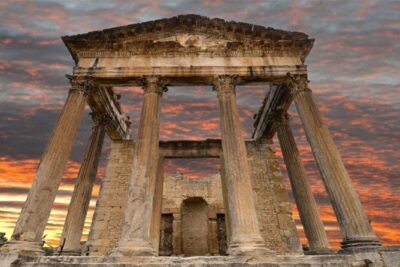
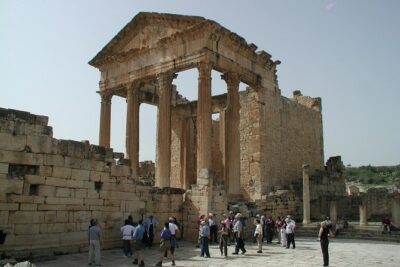
The main draw is Site Archeologique de Carthage, with about 2 hours on the ground. Admission is included. You’ll walk with your guide through ancient landmarks while the coastline opens up around you, which is key. Carthage is not just “ruins in a field.” It’s a place with a strong sense of setting, and the views help you understand why the Romans cared so much about this spot.
Carthage was famously destroyed in 146 BC, but what’s striking is how the excavations reveal practical city life. You’ll see evidence like multi-story homes, sewage systems, and remnants of city walls that once stretched roughly 21 miles (34 km) across Byrsa Hill. Even if you’re not a Roman-history nut, the infrastructure angle makes it easier to visualize daily routines.
What I’d watch for during your walk:
- Look for hints of layout, not just walls. The city is easier to understand when you notice how areas connect.
- Ask your guide to explain the contrast between what’s preserved and what’s only inferred.
Carthage Aqueduct and Baths of Antoninus: shorter stops, useful context

After the big Carthage site, the tour adds two quick supporting visits, each with about 30 minutes and admission included.
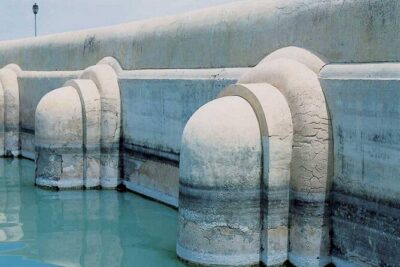
Carthage Aqueduct gives you the “how did they move water” perspective. For many visitors, this is the first time the Roman world feels less abstract. Aqueducts are a daily-life story, not just a monument.
Then you’ll head to the Baths of Antoninus. Even though it’s a shorter stop, it helps complete the picture of Roman urban culture. Bath complexes tell you something about social life, city investment, and how Romans used architecture to structure leisure.
This portion can feel brief if you prefer slow museum-style pacing. But as part of a full day that also includes two UNESCO stops elsewhere, those short durations are what make the overall schedule workable.
Point the Tunis day somewhere else:
- Private Tour to Kairouan, El Jem & Monastir from Tunis_hammamet
★ 5.0 · 301 reviews - Private Excursion to Testour, Dougga and Bulla Regia from Tunis.
★ 5.0 · 100 reviews - Guided Bike Tour of Carthage Archeological Site in Tunisia
★ 5.0 · 88 reviews - Guided tour in the UNESCO world heritage Medina of Tunis
★ 5.0 · 68 reviews
Sidi Bou Said: the blue-and-white break that makes the day feel human

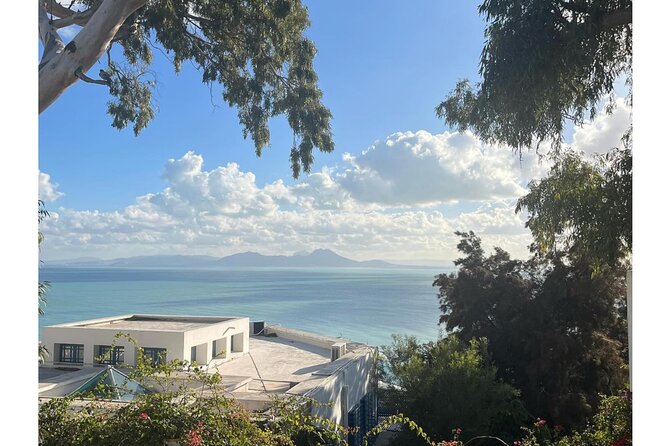
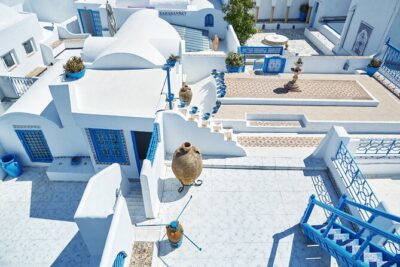
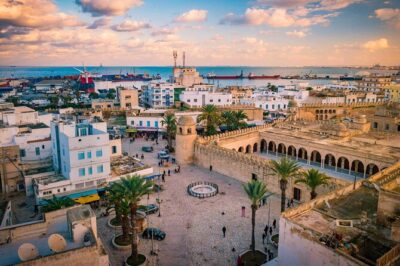
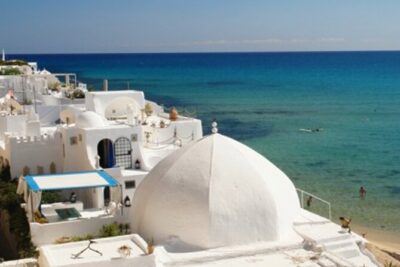
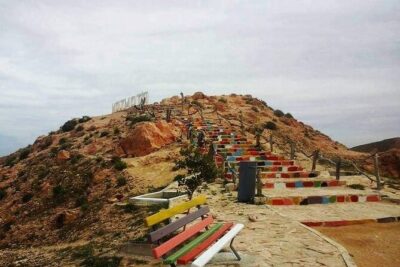
Sidi Bou Said takes about 1 hour, and entry is free. This is your visual reset after Carthage. The town sits on a promontory over the Mediterranean, with cobbled streets, blue-and-white houses, and plenty of places to pause for a drink or a bite.
The tour’s structure also makes this stop feel better than “just a photo stop.” You can slot in a lunch along the coast if you selected the lunch option. In practical terms, this matters because you’re moving between very different kinds of sights, and your energy will decide how much you enjoy the later medina walk.
A tip that helps here: wear comfortable shoes. The streets can be uneven, and you’ll want to slow down enough to enjoy the views without rushing.
Bardo National Museum: when Roman mosaics are the main event
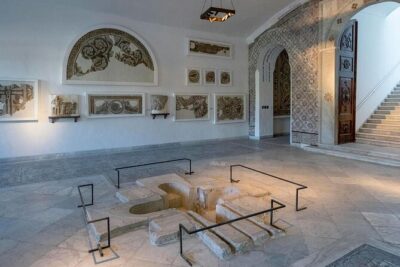
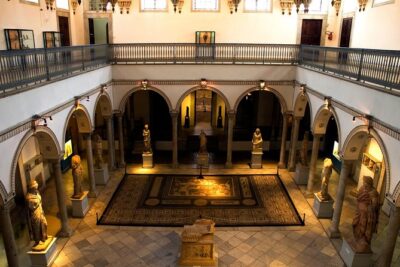
Next up is the National Museum of Bardo, with about 1 hour. Admission is included, and this is often the moment people remember most because the mosaics are so striking.
You’ll explore the museum’s large Roman mosaic collection. Even with a limited time window, your guide can help you focus on the rooms and panels that make the whole collection feel coherent. If you’ve ever been in a museum where everything blends together, this shorter, guided pace can actually work in your favor.
What makes the Bardo stop valuable on this specific day is the contrast with Carthage. Carthage shows you Roman urban systems and building remains. The Bardo shows you Roman art and craftsmanship, where you can appreciate how detailed Roman aesthetics could be.
One consideration: the museum can have crowds at peak times. Don’t be surprised if you move quickly through some galleries. Your best bet is to pick a few mosaic areas that grab you and give them your full attention while you’re there.
Bab el Bhar and Zitouna Mosque: fast landmarks that orient you
In the medina side of the day, the tour includes quick, high-impact stops:
- Bab el Bhar, also known as Porte de France, with around 15 minutes
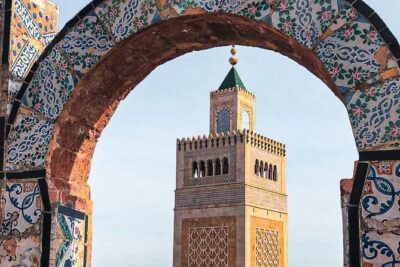
- Zitouna Mosque, with around 20 minutes
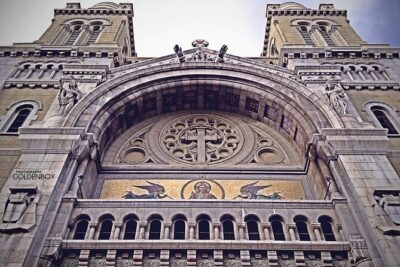
- Saint Louis Cathedral viewed outside only
These are short visits, but they do a useful job: they give you orientation so the medina walk later makes more sense. Bab el Bhar marks a separation between the medina and the modern city, so it frames how Tunis grew and how daily life is segmented.
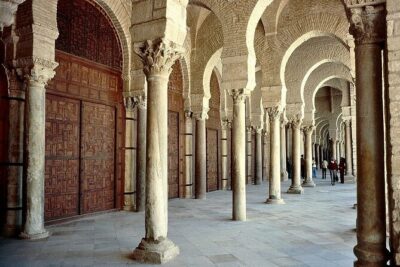
Zitouna Mosque is a natural anchor for understanding the old center, since it’s tied to religious life and local rhythms. With only 20 minutes, you won’t see everything, but you can get a clear first impression, especially when you’re guided.
The cathedral stop outside only is quick, so go in expecting a glimpse rather than a full visit.
Tunis Medina: cap-makers, perfume markets, and the reality of a living city

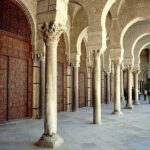
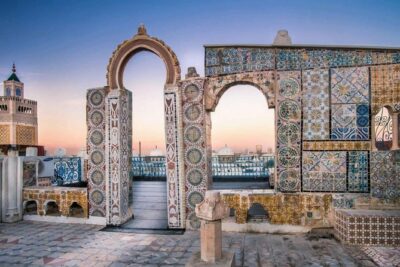
The medina of Tunis is a UNESCO-listed old city area, and you’ll spend about 1 hour walking with your guide through the narrow streets. The tour includes time near key sights like Zitouna Mosque and includes market-focused stops such as traditional cap-makers and a colorful perfume market.
This is where the tour can feel either magical or annoying, depending on your expectations. If you want shopping pressure-free, tell your guide early that you prefer browsing. If you actually want to buy, let your guide help you compare what you’re seeing, especially with local crafts like caps and scent products.
What I like about including the shopping elements is that it’s not random. It connects to Tunis identity. Caps and perfumes are not just souvenirs. They’re everyday crafts and commerce that reflect how people live.
Also, keep in mind how medina streets work: you can’t cover everything in an hour. This is a “get your bearings fast” stop, then you have the option to continue on your own later if you want more time somewhere specific.
Timing and pacing: how to enjoy a full day without feeling rushed
Your day runs about 7 to 8 hours, and the schedule is tightly structured. That means you won’t linger long at every stop. If you tend to get distracted by side streets, plan to focus on what you came for, especially Carthage and the museum.
That said, the tour style has a strength: it builds in enough variety that you don’t get bored. You’re switching between Roman remains, museum rooms, a seaside town, and a medina walk. The energy changes, and your brain gets short rests between major areas.
Traffic is the wild card. Tunis drives slower than you might expect, so the more calmly you show up at each pickup or meeting time, the smoother the day will feel.
Guides and drivers: what makes the experience feel personal
This tour really shines when your guide can turn the list of stops into stories you can picture. In past days, guides such as Boubou, Boutheina, Nour, Ali, and Mohammed have been praised for making history understandable and for highlighting photo spots. Even when you’re not a big history person, a good guide helps you notice what you would otherwise walk past.
Your driver matters too. Many people talk about drivers like Hichem, Jamel, and Eammon being patient on the road and careful with safety. If you’re prone to stress in traffic, this part is not just comfort, it’s mental ease.
Practical way to use the guide:
- Tell them what you care about most, such as mosaics, Roman ruins, or medina crafts.
- Ask for what not to miss in the time you have. One good recommendation beats ten minutes of aimless wandering.
Price and value: how $30 makes sense, and when it might feel off
At $30 per person, this is priced for people who want major Tunis highlights without paying boutique-holiday money. But here’s the key: value depends on what you selected.
Entrance fees to Carthage and the Bardo Museum are included only if your option includes them. Lunch is included only if you selected the lunch option. A licensed tour guide is included only if you chose the guided option. If you select a driver-only style, you may still get transportation, but you won’t get the same level of guided interpretation or museum support.
So think of it like this:
- If you want real context and want the museum and Carthage entrances handled, pick the fully guided package.
- If you’re comfortable visiting on your own and just want a driver, then the lower-cost setup can work, but you’ll need to do more of the planning yourself.
This also explains why some experiences can feel great and others feel disappointing. People who expected guide-led museum time and lunch sometimes end up with less than they assumed. Your best move is to confirm, before you go, whether you have guide, lunch, and entrances included.
Who should book this tour, and who might be happier elsewhere
This is a good fit if:
- You want a first-time overview of Tunis area highlights in one day
- You like Roman sites and mosaics enough to spend real time on them
- You prefer structure and interpretation rather than figuring it all out alone
You might want a different plan if:
- You hate tight schedules and want long, slow roaming time in the medina
- You’re expecting a fully flexible day with lots of free time at every stop
- You’re visiting on a Monday and were hoping to do Bardo (the museum is closed Mondays)
Should you book the Carthage, Bardo, Sidi Bou Said, and Medina private day?
I’d book this if you want an efficient, guided overview with standout museum time and Roman ruins. It’s especially worth it if you pick the option that includes a licensed guide, entrance fees for Carthage and Bardo, and lunch. That combo is what turns it from a ride with stops into a day with meaning.
Book with extra care if it’s Monday, since the Bardo Museum is closed. And do yourself a favor by confirming meeting details ahead of time, especially where the pickup point is. In a day this full, small confusion can waste big energy.
If you show up ready to move, comfortable shoes on, and with a short list of what matters most to you, you’ll likely walk away feeling like you did something efficient and memorable, not just checked boxes.
FAQ
Is lunch included on this day tour?
Lunch is included only if you select the option that includes it. There is also a vegetarian option available, so you should mention dietary needs at booking.
Are entrance fees included for Carthage and the Bardo Museum?
Entrance fees for Carthage and the Bardo Museum are included only if your selected option includes them. Note that the Bardo Museum is closed on Mondays.
How long is the tour, and what’s the general pace?
The tour runs about 7 to 8 hours. It’s a full-day schedule with shorter stops at some sites, so plan for a busy day rather than lingering at each place.
What about hotel pickup and drop-off?
Hotel pickup and drop-off are offered from Tunis or Hammamet. Cruise port pickup is not included and has an extra fee.
Is this tour private?
Yes, it’s described as a private tour/activity, with only your group participating.
Does the tour include a guide and private transportation?
Private licensed driver and transportation in a tourism-approved insured vehicle are included. A licensed tour guide is included only if you select the guided option.
Fresh reviews around Tunis
- Private Day Tour , Kairouan & Amphitheatre of el Jem From Tunis /Hammamet/Sousse★ 4.5 · 8 reviews
- Half-Day Traditional Tunisian Cuisine Cooking Class in Tunis★ 5.0 · 9 reviews
- Walking City Tour★ 4.5 · 7 reviews
- Private Walking Tour of Carthage Archaeological Site in Tunisia★ 4.5 · 4 reviews
- Self guided bike tour of Carthage archeological site★ 4.5 · 10 reviews
- Private Half Day Tunis City Tour★ 3.5 · 10 reviews
- 2 Days Private Tunisia Exploration and Sahara Experience★ 4.5 · 9 reviews
- Dougga and Bulla Regia Guided Tour From Tunis★ 4.5 · 11 reviews
Carthage & Sidi Bou Said Tours, compared.

VIP Tour: Tunis Medina/Bardo, Sidi Bou Said, Carthage
Read our review →
Private tour: Medina,Carthage ,Sidi Bou Said, Bardo Museum+lunch
Read our review →
Guided Bike Tour of Carthage Archeological Site in Tunisia
Read our review →
1 day excursion Tunis Sidi Bousaid Carthage departure from Sousse
Read our review →
Group Guided Bike Tour of Carthage Archeological Site in Tunisia
Read our review →
Archaelogical Site Of Carthage + Picturesque Village Of Sidi Bou Said
Read our review →
Tunis, Sidi Bousaid and Carthage day trip from Hammamet
Read our review →Browse the lists this tour appears in