Guided Bike Tour of Carthage Archeological Site in Tunisia

Reviewed · CARTHAGE & SIDI BOU SAID TOURS

Guided Bike Tour of Carthage Archeological Site in Tunisia

5.0 · 88 reviews From $91 Operated by Le Lemon Tour · Bookable on Viator
Book on Viator →

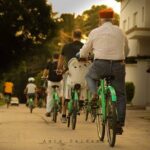
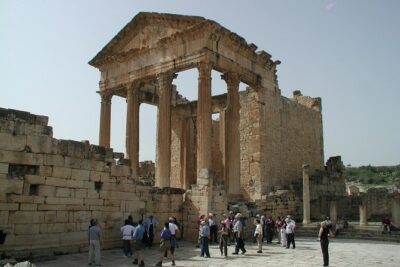
Carthage is one of those places where the past is all around you, and biking is a clever way to see it without spending a whole day in transit. You will pedal through major Phoenician and Roman zones, with built-in stops that keep you moving yet still allow time at each site.

I especially like the private-guided format, because you are not stuck with a rushed herd. I also like that the tour includes site admissions for most stops, so you are not doing extra add-ons while you are there.

The only real drawback to flag is the moderate fitness requirement. If the heat and the hill areas make cycling uncomfortable, choose the electric bike upgrade.

Key highlights to look for

Guided Bike Tour of Carthage Archeological Site in Tunisia - Key highlights to look for

  • UNESCO Carthage ruins with multiple major stops in about 3 hours
  • Admission tickets included at the main ruins stops, not just the bike ride
  • Electric bike upgrade for easier maneuvering in hills and around traffic
  • All bicycle and safety gear provided, including a helmet
  • Cared-for pace at each site, with time for questions and photos

Why Carthage by bike feels like the smart half-day plan

Guided Bike Tour of Carthage Archeological Site in Tunisia - Why Carthage by bike feels like the smart half-day plan
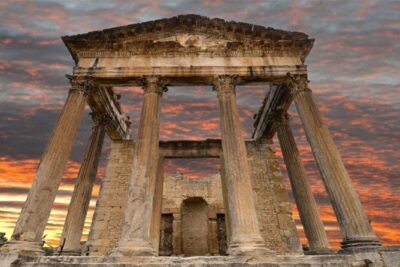
Carthage can look overwhelming on paper. You see names like Byrsa, Tophet, the Punic Ports, and Roman ruins, and suddenly you are not sure what belongs where. This tour helps you sort it out fast, because the route groups the key areas into a logical sequence, then slows down long enough for you to actually read the scene.

You also get the added benefit of motion. Instead of walking only in short bursts, you get a steady bike rhythm that keeps the experience lively. That matters at Carthage, because a lot of the intrigue is in how the different eras sit on top of each other, with Roman structures wrapping around older Punic traces.

My favorite part is the tone of the tour. It is not just about seeing stops. It is about understanding what you are looking at, with a guide who explains what each zone was for. In past groups, guides such as Kareem, Jibrane, and Chedi are specifically praised for clear explanations and for giving people time at each stop, instead of cutting to the next location.

More from Tunis to compare against

Meeting at Rue Hannibal, then riding with a private guide

Your tour starts at 9 Rue Hannibal, Site archéologique de Carthage 2025, Tunisia. It ends right back at the meeting point. That simple start and finish is practical, especially if you are already in Tunis and do not want the hassle of extra pickups.

This is a private tour/activity, so only your group participates. That generally means you can ask questions without waiting for everyone to catch up. It also tends to make the cycling feel more controlled, since the guide can pace you and adjust on the fly.

The tour is near public transportation, which is useful if you are coming in from another part of the city. You should plan for a moderate fitness level. You will be cycling through archaeological areas, and while the time is only about three hours, you still need to be comfortable staying on a bike for that stretch.

Stop 1: Tophet de Carthage and what a sanctuary tells you

Guided Bike Tour of Carthage Archeological Site in Tunisia - Stop 1: Tophet de Carthage and what a sanctuary tells you
The first stop is Tophet de Carthage, and you spend about 30 minutes here. Admission is included, which is a big deal for value, because it means you are not paying separately once you arrive.

This sanctuary is tied to Punic culture, and the point is not to treat it like a random ruin. It is to connect the space to what Punic people believed and practiced. Even if you are not a specialist in ancient religions, the guide framing helps you understand what you are looking at, and why this site is meaningful within the broader Carthage story.

A practical note: plan to stay focused here. The later stops are visually dramatic, but Tophet sets the cultural baseline. If you rush this one, the rest of the tour can feel like disconnected sightseeing instead of a connected timeline.

Stop 2: Punic Ports and Museum, where trade shaped everything

Guided Bike Tour of Carthage Archeological Site in Tunisia - Stop 2: Punic Ports and Museum, where trade shaped everything
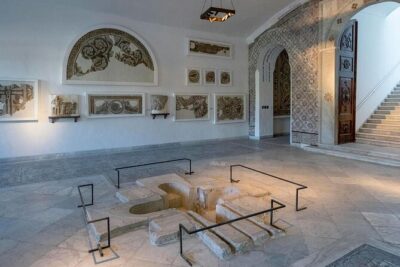
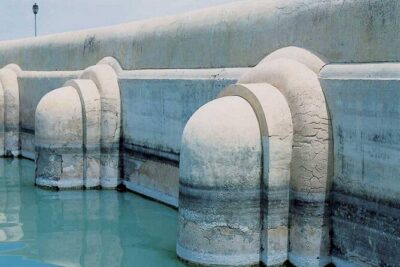
Next up is the Punic Ports & Museum, another 30 minutes with admission included. Ports are where Carthage’s influence becomes physical. You can almost picture goods moving in and out, ships arriving, and the city’s power working through the sea.

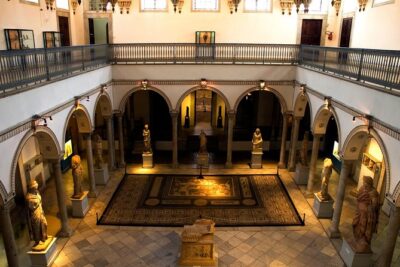
The museum component is helpful because it gives context to what you see around the port area. Without that framing, you might walk past features and wonder what they were. With the guide, you get a clearer sense of why this spot mattered so much to Mediterranean trade routes.

One of the nice things about this tour is how it balances time. Tophet and the ports are shorter, then the schedule shifts into longer Roman-focused segments. That pacing keeps you from burning out early, especially in warm conditions.

Stop 3: Baths of Antoninus, long Roman architecture with sea-facing ruins

Guided Bike Tour of Carthage Archeological Site in Tunisia - Stop 3: Baths of Antoninus, long Roman architecture with sea-facing ruins
The longest stop is the Baths of Antoninus, with about one hour on site, and admission included. This is Roman-era, and it is also a reminder that Carthage was not only ancient Phoenician and Punic. It became Roman in a big way, and the architecture shows it.

What I like about this stop is the way it encourages you to connect structure with use. These baths were built for daily routines, for public life, for social time. If you can picture how a Roman bath complex worked, the ruins stop looking like just stone piles and start feeling like a place people once moved through.

The tour specifically highlights that the baths include ruins with sections that face the sea. That is worth paying attention to. When you line up the space in your mind, you start to understand how location and comfort mattered, and why a Roman bath complex could feel like a destination, not just a facility.

Stop 4: Roman Theatre of Carthage, a good break in tone

Guided Bike Tour of Carthage Archeological Site in Tunisia - Stop 4: Roman Theatre of Carthage, a good break in tone
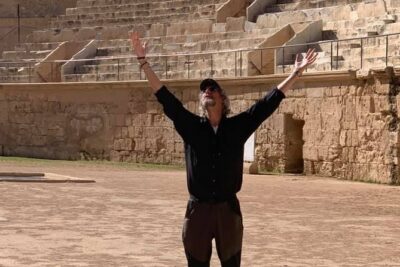
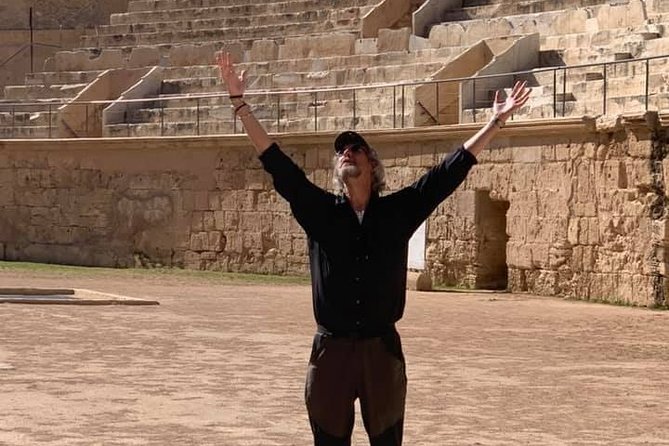
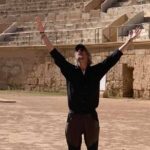
After the baths, you get a shorter stop at the Roman Theatre of Carthage, around 20 minutes, with admission included. The theatre is a different kind of visual. Instead of corridors and room layouts, you get a space designed for gatherings and performances.

This stop works well after the Baths of Antoninus. It gives your eyes a chance to reset, and it gives your brain a breather too. You can also get a better sense of Roman civic life here, because a theatre is about community, not just infrastructure.

You will likely want to slow down for a moment and look at sightlines and structure. Even without technical details, you can often understand how the theatre was meant to work just by watching how the geometry leads the eye.

Stop 5: Byrsa Hill, Saint Louis Cathedral outside, and a closed museum

Guided Bike Tour of Carthage Archeological Site in Tunisia - Stop 5: Byrsa Hill, Saint Louis Cathedral outside, and a closed museum
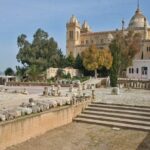
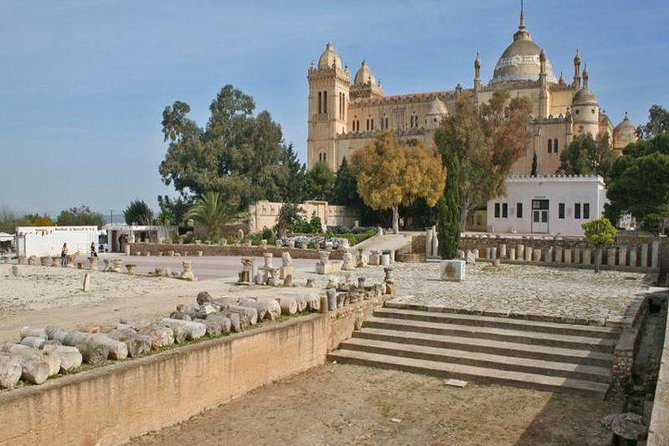
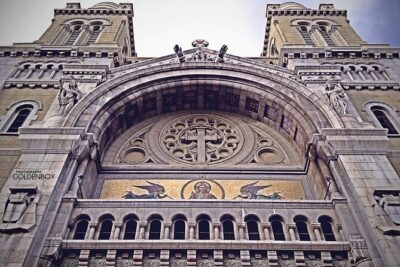
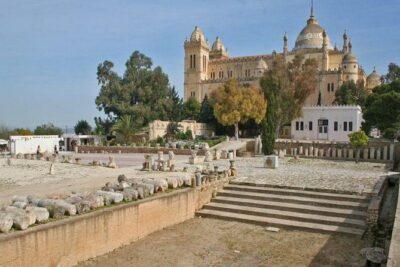
The final stop centers on Byrsa Hill. You will discover Punic architecture connections and learn how the Romans changed the hill, then you will see Saint Louis Cathedral without entering. This segment is about 15 minutes and the admission is free.

The note here matters: the Carthage museum located on the hill is closed. That means your time focuses on what you can view from the area and on the guide’s explanations rather than an indoor add-on.

Even though this last part is shorter, it has a payoff. It helps you connect the earlier sites into a single city narrative. Byrsa is a good capstone because it links the idea of the city’s built layers and how later powers repurposed and reshaped what they inherited.

Electric bikes and helmets, and what that means for your comfort

Guided Bike Tour of Carthage Archeological Site in Tunisia - Electric bikes and helmets, and what that means for your comfort
The tour provides the bicycle and safety equipment, including a helmet. That saves you time and stress, especially if you do not already have cycling gear in Tunisia.

There is also an electric bike upgrade, and the reason people like it is practical. Carthage involves hills and the ride can put you in traffic conditions. In past experiences tied to this tour format, electric bikes were described as a real help for maneuvering and staying comfortable, especially when temperatures and road situations make regular cycling more tiring.

I also think the electric bike option is the best value for people who want to stay in the tour’s pace without turning it into a workout. If you have any doubt about staying on a bike smoothly, this upgrade is the easiest way to protect your enjoyment.

Getting your money’s worth at $91.89 per person

At $91.89 per person, the price can look like a lot until you see how it is constructed. First, the tour lasts about three hours, and it is private, not a big group scramble. Second, the package includes the guide, the bicycle, the helmet, and taxes and fees.

Then you get the crucial detail: admission tickets are included for major stops. Tophet de Carthage has admission included. The Punic Ports & Museum have admission included. The Baths of Antoninus has admission included. The Roman Theatre has admission included. Saint Louis Cathedral is free, and you do not enter the hill museum because it is closed.

That mix matters for budgeting. You are paying for a planned route with several paid sites included, not just for someone to lead you around outside. If you were to do these stops on your own, you would likely spend time figuring out separate tickets and logistics, then still lose the advantage of having a guide connect the dots.

Another value angle: the tour is booked on average about 29 days in advance. That suggests it is a popular way to tackle Carthage without committing an entire day. If you are traveling around peak periods, book early so you are not stuck with limited dates.

What a good guide changes in Carthage

Carthage is not hard to like. What is hard is understanding it quickly without turning it into a memorization exercise. This tour is built around interpretation, with a guide leading you through the Punic and Roman story in an order that makes sense.

In the feedback for this tour, people repeatedly name the guide as a major reason they rate it so highly. Names like Kareem, Jibrane, and Chedi show up in praise for being engaging, for explaining history clearly, and for making sure people are not rushed through the sites.

That last detail matters. A common frustration in archaeological tours is sprinting between landmarks and losing your chance to ask questions. This one keeps time at each stop, which gives you enough breathing room to actually look and listen. If you enjoy learning while you move, this format is a strong match.

Who this bike tour suits best

This is best for you if you want a structured half-day plan that hits big Carthage highlights without making you plan transport between ruins. The moderate fitness requirement means you should be comfortable on a bike and able to handle a few cycling segments.

It also fits well if you like city streets mixed with sightseeing. The tour includes riding through a neighborhood feel around Carthage, and having a local guide helps you understand how people manage bikes, cars, and pedestrians. That is not something you get from a generic audio guide.

You might want to think twice if you are looking for a super relaxed, mostly flat stroll. Even with the electric option, you are still cycling, and the experience is designed around seeing several sites in a short time.

Should you book this Carthage bike tour?

I would book it if you want a private, guided way to see UNESCO Carthage highlights in about three hours, with admissions mostly included and cycling handled by the basics already taken care of, bike and helmet.

If you are sensitive to hills or you are worried about getting fatigued quickly, choose the electric bike upgrade. That one choice protects your enjoyment and helps you keep the tour pace.

If your ideal vacation is long, slow museum time, keep in mind the hill museum is closed on this route. You will still see the key views and get the guide explanations, but this is not the experience for you if you specifically want a museum visit at the end of the ride.

FAQ

How long is the Guided Bike Tour of Carthage?

It is approximately 3 hours.

Where does the tour start and end?

It starts at 9 Rue Hannibal, Site archéologique de Carthage 2025, Tunisia, and it ends back at the same meeting point. Hotel pickup and drop-off are not included.

What admission tickets are included?

Admission tickets are included for Tophet de Carthage, Punic Ports & Museum, Baths of Antoninus, and the Roman Theatre of Carthage. Saint Louis Cathedral is free to view, and the museum on the hill is closed.

Is there an electric bike option?

Yes, you can upgrade to include an electric bike for easier maneuvering.

What is included in the price?

The tour includes a professional guide, use of the bicycle, use of a helmet, and all taxes, fees, and handling charges.

What is not included?

Hotel pickup and drop-off are not included.

Do I need a passport?

Yes, a current valid passport is required on the day of travel.

What if the weather is bad, or I need to cancel?

The experience requires good weather. If it is canceled due to poor weather, you will be offered a different date or a full refund. You can cancel for a full refund up to 24 hours in advance.

More like this

Carthage & Sidi Bou Said Tours, compared.

The full Carthage & Sidi Bou Said Tours list →
VIP Tour: Tunis Medina/Bardo, Sidi Bou Said, Carthage
★★★★★★★★★★5.0· 512 reviews· from $30

VIP Tour: Tunis Medina/Bardo, Sidi Bou Said, Carthage

Read our review →
Private tour: Medina,Carthage ,Sidi Bou Said, Bardo Museum+lunch
★★★★★★★★★★5.0· 230 reviews· from $46

Private tour: Medina,Carthage ,Sidi Bou Said, Bardo Museum+lunch

Read our review →
Carthage, Bardo Museum, Sidi Bou Said and Medina Private Day Tour
★★★★★★★★★★4.5· 153 reviews· from $30

Carthage, Bardo Museum, Sidi Bou Said and Medina Private Day Tour

Read our review →
1 day excursion Tunis Sidi Bousaid Carthage departure from Sousse
★★★★★★★★★★5.0· 87 reviews· from $116

1 day excursion Tunis Sidi Bousaid Carthage departure from Sousse

Read our review →
Group Guided Bike Tour of Carthage Archeological Site in Tunisia
★★★★★★★★★★5.0· 57 reviews· from $56

Group Guided Bike Tour of Carthage Archeological Site in Tunisia

Read our review →
Historical Tour of Ancient Carthage
★★★★★★★★★★5.0· 51 reviews· from $104

Historical Tour of Ancient Carthage

Read our review →
Tunis, Sidi Bousaid and Carthage day trip from Hammamet
★★★★★★★★★★4.5· 44 reviews· from $116

Tunis, Sidi Bousaid and Carthage day trip from Hammamet

Read our review →

Browse the lists this tour appears in

Scroll to Top

Explore Tunisia

Ruins, medinas, islands and the dune sea, ranked and reviewed.