
Reviewed · TUNIS TOURS
Bulla Regia and Beni Mtir Cascade Daytrip from Tunis
Bulla Regia and Beni M’Tir is a smart way to see two Tunisia stories that feel completely different, yet sit close together in the Medjerda Valley. You start with centuries of Carthaginian, Roman, and Byzantine presence at Bulla Regia, then shift to the Kroumirie region and the dam-view village of Beni M’Tir.
What I like most is the focus on the visuals, especially the mosaics, thermal baths, and amphitheater at Bulla Regia, with a guide who helps you picture daily life far back in time. I also really value the door-to-door comfort: an air-conditioned vehicle with WiFi, plus commentary in English, French, or German.
One thing to plan for is that lunch is not included, so you’ll want a simple food strategy before the day gets long. Also, this experience depends on good weather, so if conditions are poor, you may be rescheduled.
Key things to know before you go
- Bulla Regia spans Carthaginian, Roman, and Byzantine eras, so the ruins don’t feel like one chapter, but many.
- Mosaics, thermal baths, and an amphitheater are the big draws here, not just random stones.
- Your guide can comment in English, French, or German, so you are not stuck with vague explanations.
- Private, air-conditioned, WiFi-equipped transport from Tunis keeps the day moving smoothly.
- Beni M’Tir is a village built in 1948 for dam workers, and its architecture was preserved, so you see a living plan, not a staged set.
The real appeal: two sites, two eras, one smooth Tunis day
This is a full-day private outing built around contrast. On paper, it is just two stops north of Tunis. In practice, you get a clear before-and-after feeling.
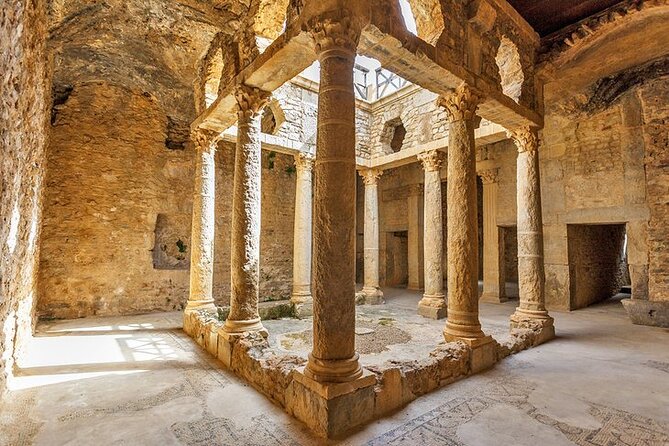
At Bulla Regia, the ruins are dramatic and specific, with the kind of Roman-era planning that makes you imagine where people walked, cooked, bathed, and gathered. Then you pivot to Beni M’Tir, where the setting is about nature, climate, and a Berber tribal region shaped by water control, the dam, and the village built around it.
If you like archaeology that feels readable, not just scenic, this day works well. You’re not trying to rush through dozens of sites in a chaotic circuit. You focus on two, with around two hours at each, so you can actually absorb what you see.
Stacking up Tunis options? Start with these:
- Private Tour to Kairouan, El Jem & Monastir from Tunis_hammamet
★ 5.0 · 301 reviews - Private tour: Medina,Carthage ,Sidi Bou Said, Bardo Museum+lunch
★ 5.0 · 230 reviews - Carthage, Bardo Museum, Sidi Bou Said and Medina Private Day Tour
★ 4.5 · 153 reviews
Bulla Regia: why this Roman-Byzantine town is worth your time
Bulla Regia sits in the Medjerda Valley, in a cereal-growing area that attracted one civilization after another. That matters, because the story of the site is layered. You’re not viewing a single empire’s leftovers. You’re seeing overlaps.
The timeline is part of the magic. The city was created in the 4th century BC. Later, the Romans moved in during the 203 BC invasion, and by 156 BC the city was firmly in Roman hands. Then the Byzantine era added its own chapter to the same bones of the city.
What you should expect, in plain terms, is ruins that include architecture and features you can connect to everyday life. The highlights commonly focus on mosaics, thermal baths, and an amphitheater. Even if you are not an archaeology nerd, those are the kinds of remnants that make sense fast.
What you’ll likely love at Bulla Regia
The best part is how much ground the site covers in a way that feels “walkable in your head.” With a good guide, the city becomes more than a list of structures. It turns into spaces: where people met, where they cooled off, where decoration signaled status.
And since you get admission to the archaeological site included, you are not fighting extra fees or paperwork once you arrive.
A practical drawback to keep in mind
Two hours at Bulla Regia is a solid chunk of time, but it is still a time-box. If you are the type who wants to slowly linger over every mosaic panel and every corner of an amphitheater, you may wish you had more hours. The value here is efficiency, not endless wandering.
Point the Tunis day somewhere else:
- Private Excursion to Testour, Dougga and Bulla Regia from Tunis.
★ 5.0 · 100 reviews - Guided Bike Tour of Carthage Archeological Site in Tunisia
★ 5.0 · 88 reviews - Guided tour in the UNESCO world heritage Medina of Tunis
★ 5.0 · 68 reviews - Group Guided Bike Tour of Carthage Archeological Site in Tunisia
★ 5.0 · 57 reviews
How the ruins actually feel on the ground: mosaics, baths, and the amphitheater
Bulla Regia is famous for details that are easy to miss if you are moving too fast. Think of the big-ticket elements first, because they set the tone:
Mosaics. These are the eye-catchers. They are also practical storytelling tools, since floor art is usually connected to the rooms people used and the wealth behind those rooms.
Thermal baths. Baths are a big deal in Roman culture, not just for hygiene but for social life. When you see the remnants of bath spaces, you start to understand how the day was structured around leisure.
The amphitheater. This is where you can picture gatherings. Even without a living crowd, the shape of the space helps you imagine the setting.
The guide commentary is offered in English, French, or German, which matters more than you might think. Clear language makes the structures easier to interpret, and interpretation is the whole point of going beyond “photo stop, bye.”
The little tip that makes a difference
Wear comfortable shoes and plan to look down as well as ahead. With mosaic sites, small fragments and floor patterns can be as interesting as the larger walls. If you only glance at the major structures, you will miss some of the most rewarding visual texture.
Beni M’Tir village: Berber architecture shaped by a 1948 dam
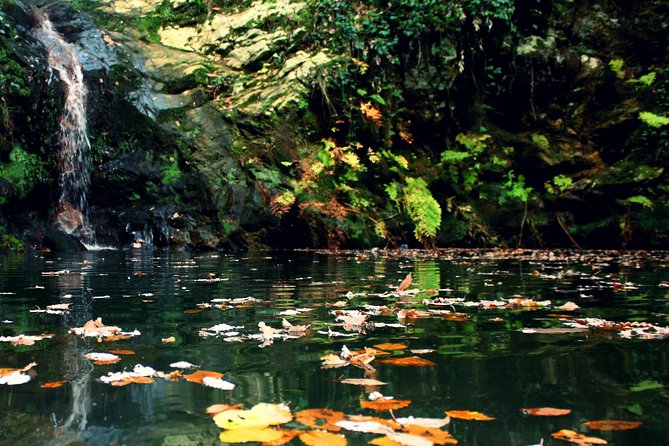
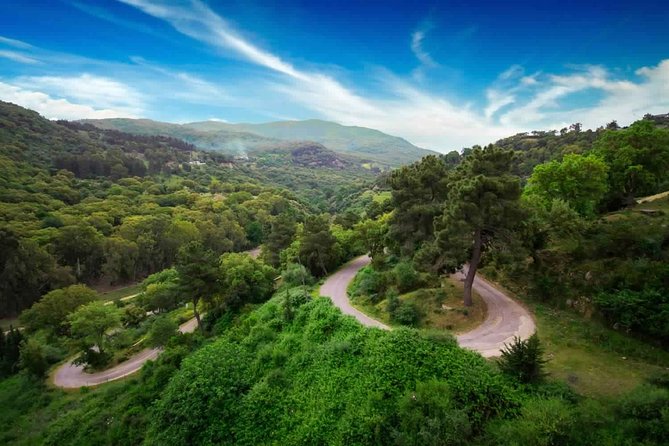
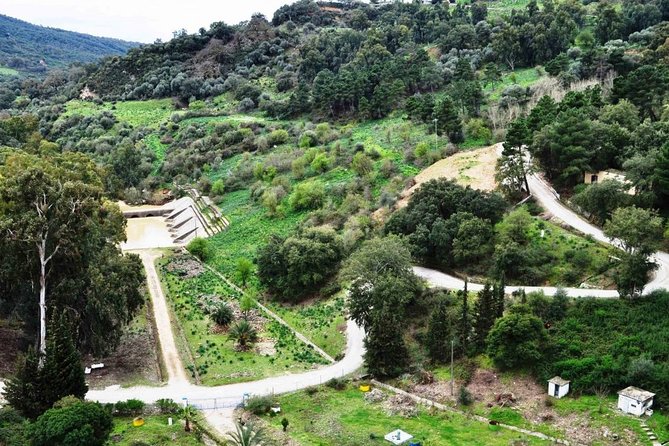
After Bulla Regia, the day changes gears. Beni M’Tir is a village in the mountainous Kroumirie region, a few kilometers from Bulla Regia and from Ain Draham. Instead of Roman grandeur, you’re dealing with a living place tied to nature, climate, and community.
Here’s the key context: the village was built in 1948 to house engineers and workers who came to build the Beni M’Tir dam. That explains why the town has a plan and rhythm to it.
You’ll also notice that the village kept its typical architecture thanks to a municipal decree. The look is described as tiled roofs and identical facades with black shutters and red frames. It may sound like a fashion detail, but it’s really about preservation and identity, so you’re seeing a built environment that has been protected.
The dam-view factor
Beni M’Tir overlooks the dam that gave the village its name. Even if you are not into engineering history, this adds something important to your visit: perspective. The landscape becomes functional, not just scenic. Water becomes the reason the village exists where it does.
And since entry to Beni M’Tir is free, the cost side is easy. You’re paying for the full day and the vehicle, but you’re not adding extra admission friction at the second stop.
What might feel less exciting
If your idea of a great day is only ancient ruins, Beni M’Tir will feel calmer and more about everyday architecture and setting. It is not a “bigger-than-life ruins” finale. It’s more reflective, and that can be exactly what you want, or it can feel like a breather you didn’t plan for.
Timing and transfers from Tunis: the value of a private, comfy ride
This is scheduled as a 7 to 8 hour day, with about two hours at each stop. Most of the remainder is transit and time buffers, and the vehicle is the difference between a pleasant day and a tiring one.
You get a WiFi-equipped, air-conditioned vehicle and pickup offered for door-to-door convenience. That is a big deal on longer excursions north of Tunis, because it reduces the mental load: no complicated meeting points, no scramble for local transport, and less time spent trying to coordinate.
It is also a private tour, meaning only your group participates. That matters for pacing. If your group moves slower, you are not forced to keep up with strangers who are racing for the next photo.
What to plan for your end of the day
Since lunch is not included, you’ll want to think ahead. Either bring a simple plan for food during the day or budget time to purchase something locally if your schedule allows. A long day with no lunch option can turn uncomfortable fast, especially in warmer conditions.
Also, since this experience requires good weather, don’t wait until the last moment to lock your expectations in. If rain or poor conditions hit, you may be offered a different date or a full refund.
Price and value: is $141.36 per person fair?
At $141.36 per person, this is not a bargain-bin day trip. It sits in the category of “worth it if you care about comfort and interpretation.”
Here is what you’re paying for that actually adds value:
- Private transportation from Tunis in an air-conditioned vehicle with WiFi.
- Admission included for the Bulla Regia archaeological site.
- Guided commentary in English, French, or German.
- A full day that combines two distinct stops without you organizing anything.
If you were to do this on your own, you would likely end up paying for some combination of fuel, entrance tickets, and a guide or driver. The private structure is what makes the day efficient and easier to understand.
So, the real question isn’t the total price. It’s whether you’ll use the included parts. If you want clear explanations and comfortable transfers, this can feel like a fair deal. If you only want to take photos and skip interpretation, then you might decide a lower-cost option works better.
Who should book this, and who may want a different day
This tour is a strong fit if you:
- Like ruins with real storytelling potential, especially mosaics and Roman-era features.
- Want a guide in a language you can actually follow.
- Prefer private transport and a calm schedule over public-transport juggling.
- Would enjoy a second stop that is about architecture and place, not just more excavation.
You might skip it or compare alternatives if:
- You want long, unhurried museum-style time at a single major site.
- You hate days that are structured around fixed two-hour blocks.
- You don’t want to think about lunch planning, since lunch is not included.
Practical tips to get more out of the day
Bring these with you to make it smoother:
- Comfortable walking shoes for uneven ground around ruins.
- Sun protection, even if the morning starts cool.
- A light plan for food since lunch is not included.
- If you have a preference for commentary language, confirm your choice in advance so the day starts smoothly.
And if you are the type who loves history, use your curiosity during the transitions. The Medjerda Valley context is the glue. When you understand why different civilizations were drawn here, the ruins become less random and more logical.
Should you book this Bulla Regia and Beni M’Tir day trip?
Book it if you want a well-paced, private day from Tunis that combines Bulla Regia’s standout ruins with a more human second stop in Beni M’Tir. The value is in guided interpretation and comfortable logistics, plus admission help for the main archaeological site.
Skip or shop around if you are mainly looking for a budget outing or you want lunch taken care of automatically. In that case, the lack of included lunch may annoy you.
If your goal is a day that feels organized, understandable, and not rushed, this one is a solid choice.
FAQ
How long is the day trip from Tunis?
It runs about 7 to 8 hours total, with roughly 2 hours at Bulla Regia and 2 hours at Beni M’Tir.
Do I get pickup from Tunis?
Yes, pickup is offered, with door-to-door style ground transfers from Tunis included.
Are admission tickets included?
Admission for the Bulla Regia archaeological site is included. Entry to Beni M’Tir is free.
What languages is the commentary available in?
You can get commentary in English, French, or German.
Is lunch included?
No, lunch is not included.
Is this tour private?
Yes. It is a private tour/activity, and only your group participates.
What happens if the weather is bad?
This experience requires good weather. If it is canceled due to poor weather, you will be offered a different date or a full refund. You can also cancel up to 24 hours in advance for a full refund.
Fresh reviews around Tunis
- Explore Tunisia in Depth:The Private Grand Tour in 8 Days★ 5.0 · 3 reviews
- Private Group Day Tour Tunis Medina Carthage Sidi Bou Said★ 4.5 · 3 reviews
- Private Tour Bardo Museum, Carthage, Sidi Bou Said and Medina★ 4.5 · 3 reviews
- 3-Day South of Tunisia Guided Tour from Tunis★ 4.0 · 3 reviews
- Private Tour to Kairouan, El Jem and Sousse★ 5.0 · 4 reviews
- From Tunis: Star Wars 5 day tour★ 5.0 · 4 reviews
- Private Excursion to the Cap Bon Peninsula★ 5.0 · 4 reviews
- DAY TRIP TO Dougga & Bulla Regia , DEPARTURE FROM Tunis★ 5.0 · 4 reviews
Tunis Tours, compared.
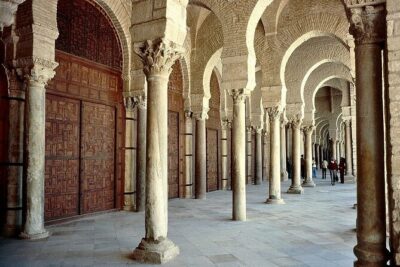
Private Tour to Kairouan, El Jem & Monastir from Tunis
Read our review →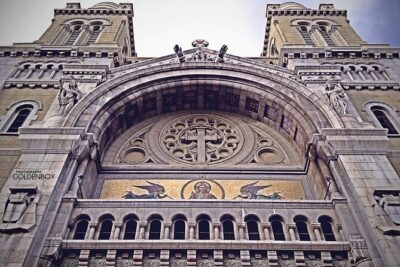
Private tour: Medina,Carthage ,Sidi Bou Said, Bardo Museum+lunch
Read our review →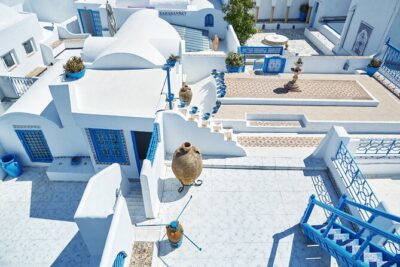
Carthage, Bardo Museum, Sidi Bou Said and Medina Private Day Tour
Read our review →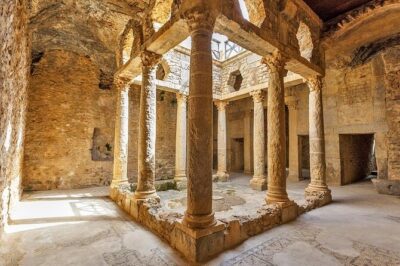
Private Excursion to Testour, Dougga and Bulla Regia from Tunis.
Read our review →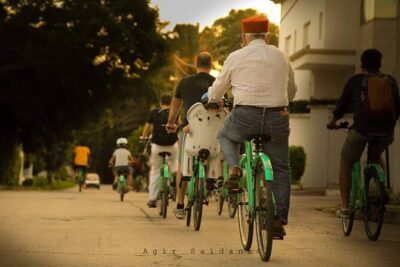
Guided Bike Tour of Carthage Archeological Site in Tunisia
Read our review →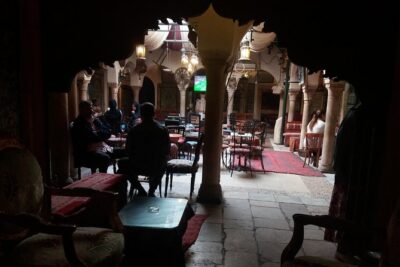
Guided tour in the UNESCO world heritage Medina of Tunis
Read our review →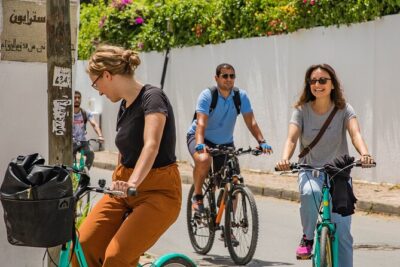
Group Guided Bike Tour of Carthage Archeological Site in Tunisia
Read our review →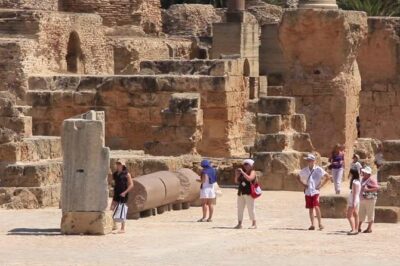
Archaelogical Site Of Carthage + Picturesque Village Of Sidi Bou Said
Read our review →Browse the lists this tour appears in