
Reviewed · CARTHAGE & SIDI BOU SAID TOURS
Daytrip Carthage Sidi Bousaid Bardo and Tunis Medina
Tunisian history can feel big and scattered. This daytrip keeps it human by stitching together Carthage, the Tunis Medina, and Sidi Bou Said in one smooth, timed itinerary. I like that the day is built around major UNESCO stops, and I also like the comfort factor, since you ride in an air-conditioned private vehicle with pickup and return to your hotel.
One thing to plan for: this is a long full day, about 7 to 8 hours, with several walking stretches. If you prefer slow pacing, build in extra energy for Medina alleyways and the cliff-top village streets.
I also love the way the tour can be shaped around your interests. In particular, I keep hearing about guides who actively tune the day and help you find good photo spots in Tunis Medina and Sidi Bou Said, with guides like Ghassen, Sana, Mohammed, and Moncef specifically showing up as standout personalities.
Key highlights worth your time
- Two UNESCO World Heritage sites: Tunis Medina and Carthage, plus major museum time at the Bardo
- Private, air-conditioned transport with hotel pickup and return, so you are not juggling schedules on your own
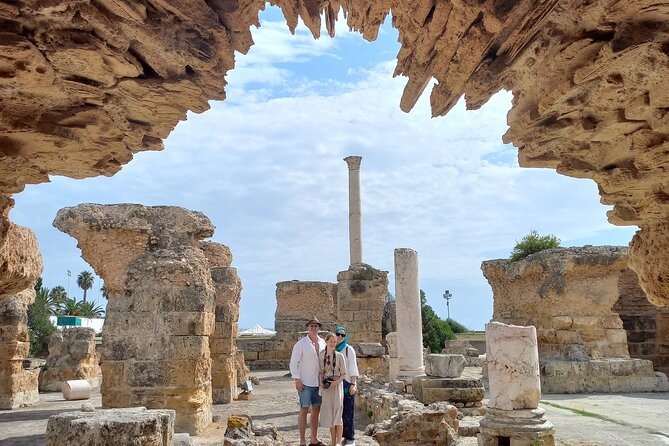
- Carthage’s story in layers: Punic sites, Roman baths, and the museum on Byrsa hill
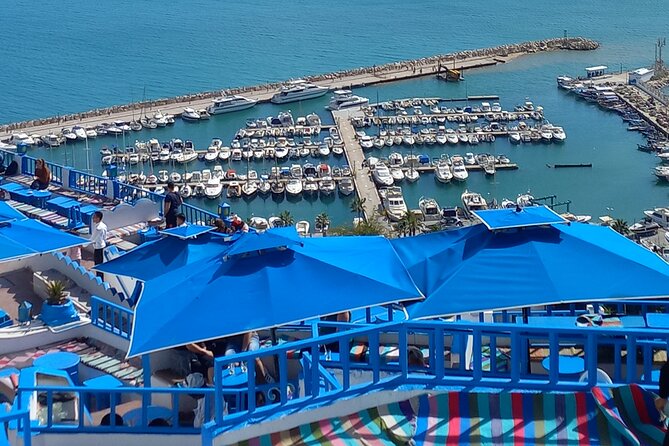
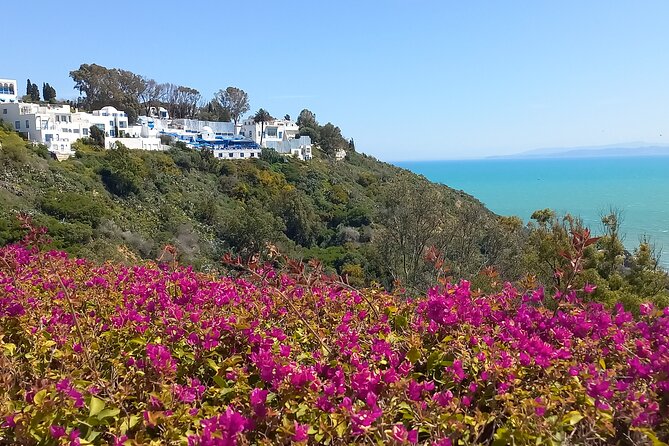
- Sidi Bou Said’s blue-and-white identity: cobbled lanes, sea views, and that signature cliff-top look
- A guided National Bardo Museum visit (but not on Mondays, since the museum is closed)
What you are really doing here: a three-for-one history day
This is built like a sampler platter, but a well-ordered one. You start in Carthage with Punic-era remains and interpretation, then you switch gears to Roman archaeology, and later you finish with a long look at the medieval pulse of Tunis Medina. The itinerary is topped off with Sidi Bou Said, where the whole feel changes from busy streets and ruins to a cliffside village with classic blue-and-white architecture.
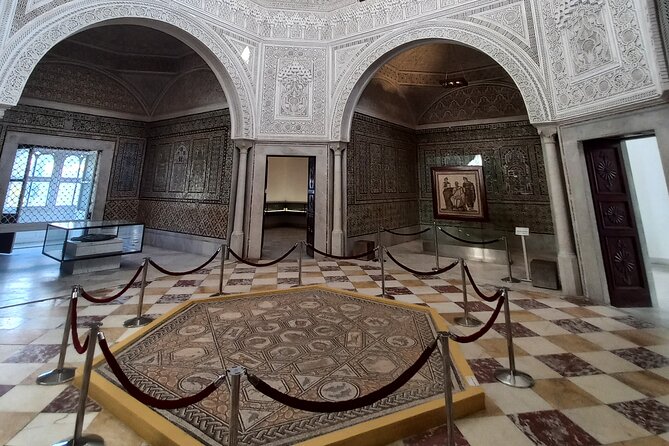
You also get museum time, which matters because so many of these places can look like stones unless someone helps you connect the dots. The guided visit to the National Bardo Museum is where those ancient Mediterranean connections come into focus, especially through mosaics and cross-civilization collections.
You do not have to do this daypiece by piece yourself. With a private setup, you spend your effort on seeing, not on figuring out routes, parking, and how long each stop actually takes.
Stacking up Tunis options? Start with these:
- Private Tour to Kairouan, El Jem & Monastir from Tunis_hammamet
★ 5.0 · 301 reviews - Private tour: Medina,Carthage ,Sidi Bou Said, Bardo Museum+lunch
★ 5.0 · 230 reviews - Carthage, Bardo Museum, Sidi Bou Said and Medina Private Day Tour
★ 4.5 · 153 reviews
Carthage morning: Tophet, ports, Roman baths, and the museum at Byrsa
Carthage is the anchor of the whole day. It is also the part where you get the most “timeline payoff,” because the stops jump across eras without feeling random.
Tophet de Carthage, and why it still sparks debate
The first stop is Tophet de Carthage (admission ticket included). The site is often linked with a childhood cemetery hypothesis, tied to Carthaginian ritual life and dedications to Baal and the “Lady Tanit.” The description of earlier misconceptions also sticks with me: it explains how famous literary imagery shaped long-held views, and why archaeological discovery took time to be accepted in a more evidence-based way.
Practical take: this is not a quick glance stop. Even if you keep it light, give yourself time to read and look. The name “Tophet” survives in how locals and history talk about the place, even though the context can be more nuanced than the word sounds.
Punic Ports & Museum, a power-and-protection design
Next is Punic Ports & Museum (admission ticket free). Here the focus shifts to how Carthage functioned as a maritime power. You see the logic of the port layout: a southern merchant port and a northern naval port arranged so the military base stayed more hidden from outside view, while still allowing the navy to watch the sea.
If you like engineering stories, this stop delivers. The details about the naval side having moorings and dry docks, and the later changes after Carthage’s destruction and the Roman reinvention, help make the ruins feel like a working system instead of a dead end.
Point the Tunis day somewhere else:
- Private Excursion to Testour, Dougga and Bulla Regia from Tunis.
★ 5.0 · 100 reviews - Guided Bike Tour of Carthage Archeological Site in Tunisia
★ 5.0 · 88 reviews - Guided tour in the UNESCO world heritage Medina of Tunis
★ 5.0 · 68 reviews - Group Guided Bike Tour of Carthage Archeological Site in Tunisia
★ 5.0 · 57 reviews
Baths of Antoninus, Roman scale with a ticket note
Then you visit the Baths of Antoninus (45 minutes, admission ticket not included). This is Roman comfort in archaeological form, and it is a good transition from Punic maritime life to the kind of civic life Romans built and reused.
Budget note: because admission here is not included, you should expect an extra fee at the gate or in the local payment flow. If you are traveling with a tight budget, factor in that one extra entry.
Carthage Museum at Byrsa, the best “why it matters” stop
The last Carthage stop is Carthage Museum (30 minutes, admission ticket included). It sits at the top of Byrsa hill, the symbolic location where the ancient Punic city was built. Even if you are tired from early walking, this museum is a strong reset, because it gives the context that makes the morning’s sites feel connected.
The best part here is the way the museum helps you see the “turbulent history” of Carthage through artifacts and interpretive materials, including vestiges dating back to the 2nd century BC.
If you only remember one thing from the morning, make it this: Carthage is not one moment. It is a place that kept changing hands, rebuilding, and reusing its geography.
Sidi Bou Said: a calm, blue-and-white break from the ruins
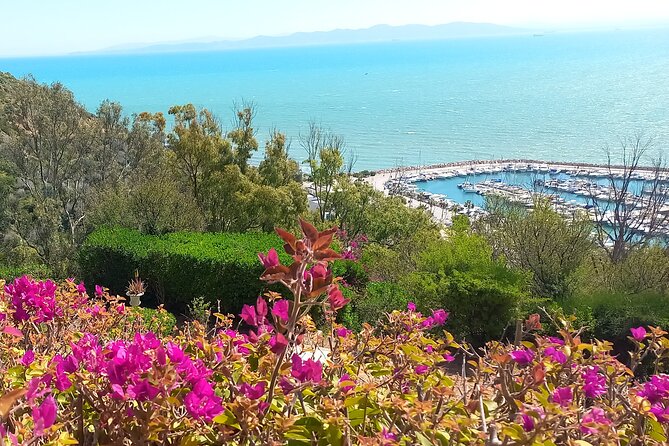
After Carthage, the day turns scenic. Sidi Bou Saïd is one hour (admission ticket free), and it is a village you can feel with your eyes first: cobbled streets, cliff-top vantage points, and that unmistakable blue-and-white palette.
It is named after a 13th-century Sufi saint, and the architecture reflects that layered history, including Ottoman and Andalusian influences. The village identity was also shaped by Spanish Muslims who arrived in the 16th century, and then later by French efforts in the 19th century to protect the place’s character (it gained protected status in 1915).
Here is how I’d use your time: don’t try to speed-run every alley. Instead, pick a route that takes you through viewpoints. The village works best when you slow down just enough to notice small details, like how doorways and street angles frame the sea.
Tunis Medina: souqs, painted doorways, and the feeling of real daily life
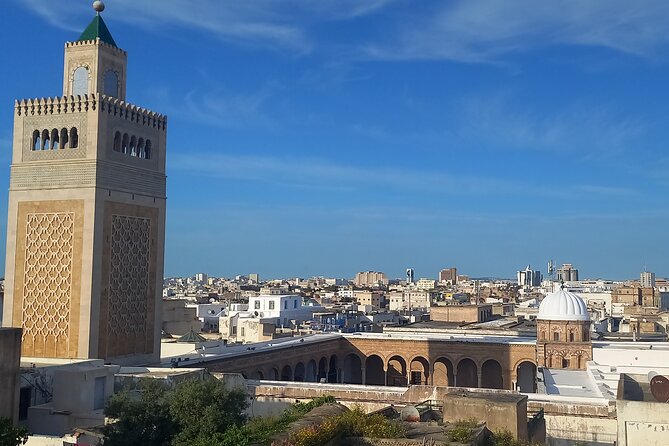
Then you step into one of North Africa’s great medieval cities, the Medina of Tunis (1 hour 30 minutes, admission ticket free). This is where you move from “heritage sites” to the living texture of everyday movement.
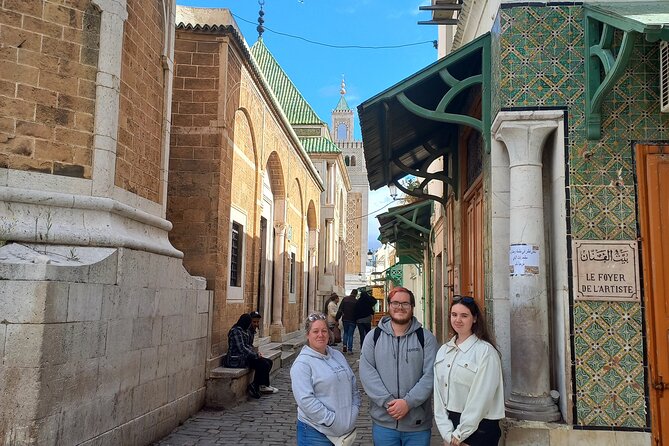
Expect a maze of ancient streets and alleyways with covered souqs selling things you can actually browse, from shoes to shisha pipes. You will also see cafés in the mix, and you will notice artisans working in back streets. The medina includes residential areas too, punctuated by grand, brightly painted doorways.
If you can, ask your guide to help you orient yourself quickly. A medina is easiest when you understand the “logic” of what you are seeing, like where covered areas start, how the main flows work, and which corners connect to larger landmarks.
Keep an eye on pacing. This is not the part for marathon walking, but it is also not a “stand still” stop. The best experiences happen when you drift, look, and let your guide point out the tilework, carved stucco, and marble columns that otherwise blend into the scenery.
National Bardo Museum: mosaics, cross-civilization context, and a Monday catch
The final major piece is the National Bardo Museum (1 hour, admission ticket included) with a guided visit. The museum is described as one of the most important museums in Africa, and the selling point for many people is the collection of prestigious mosaics plus exhibitions connected to Mediterranean civilizations.
This is the stop that helps your day click into place. After seeing Carthage ruins and wandering Tunisia’s medieval lanes, the Bardo Museum adds the missing connective tissue: how cultures interacted, traded, built, and left material traces.
One scheduling detail you should take seriously: on Mondays, the museum is closed, so there is no visit. If your trip includes a Monday, confirm how the day is handled so you do not show up expecting museum time.
Price and value: what your $162.60 per person really buys
At $162.60 per person, this is not a budget-only option. But it can be good value if you care about comfort and guidance, because you are essentially buying a stitched-together full day of major destinations plus private transportation.
Here is where the value shows up:
- Private air-conditioned vehicle round-trip from your hotel area, which saves time and stress
- A private format, meaning your group sets the pace and your guide can tailor explanations
- Selected admissions included, including Tophet, Carthage Museum, and the Bardo Museum
- Some sites are free, like Punic Ports & Museum, Sidi Bou Said, and Tunis Medina
Also, do not forget the parts that are not included from the details you were given. Baths of Antoninus admission is not included, and lunch is usually on you. One review noted that fees were included except lunch, which matches the overall structure here.
My practical suggestion: when you budget, plan for lunch plus a little extra for the Baths of Antoninus entry. That way, you keep control and avoid last-minute surprises.
Guides make or break it: Ghassen, Sana, Mohammed, and Moncef in practice
What I like about this tour model is that the “private” part is not just a marketing phrase. The experience is described as tailored, and the guides named in real-world accounts line up with what you want on a day like this: they keep things organized, explain what you are seeing in a way that sticks, and help you find strong vantage points.
For example, Ghassen is described as having deep Carthage context tied to the Punic Wars and also finding photo-shot places around Tunis Medina and Sidi Bou Said. Sana gets praise for being knowledgeable, friendly, and attentive to when to share information, plus being a confident driver through narrow roads and tight parking situations. Mohammed is highlighted as part of a pair of brilliant private tours, with informative commentary on history and surroundings. Moncef is also mentioned for making the day feel memorable and for moving you around smoothly.
Here is how to use that advantage: at the start of the day, tell your guide what you care about most, archaeology, medieval art and architecture, or simply the best views. Guides who are good at adapting can steer your time so you come away with exactly what you wanted.
Who should book this daytrip, and who should choose something else
This tour fits best if you want a high-impact day that touches the big-name sites, without having to manage logistics yourself. The tour is listed as requiring moderate physical fitness. That makes sense given the number of stops, the walking in the Medina, and the cobbled streets in Sidi Bou Said.
It also makes sense if you like guided context. Without an explanation layer, Carthage can feel like scattered ruins. With a guide, you get the “how it worked” story behind ports, and the “why the artifacts matter” connection in the museum.
If you are the type who wants one stop per half-day, or you hate being on the move, you might find this full-day structure tiring. But if you can handle a busy day, this is one efficient way to see more of northern Tunisia in a single trip.
Should you book this Carthage, Sidi Bou Said, Bardo, and Tunis Medina tour?
I’d book it if your priorities are big historical highlights, guided explanations, and comfortable transport in a private setup. The strongest reason to choose it is the combination: Punic and Roman Carthage, medieval Tunis at street level, and then the Bardo Museum where the artifacts help you understand what you just saw.
I would pause if you are traveling on a Monday, since the Bardo visit does not happen when the museum is closed. Also pause if a full 7 to 8 hour day feels like too much, because this itinerary is packed with several walking-focused stops.
If you want your Tunisia day to feel structured and satisfying, this one is a smart bet.
FAQ
How long is the daytrip?
The duration is about 7 to 8 hours.
Is hotel pickup included?
Pickup is offered, and the tour includes travel comfortably by air-conditioned private vehicle from and back to your hotel.
Is this a private tour?
Yes. It is listed as a private tour/activity, so only your group participates.
Which UNESCO sites does the tour include?
The tour includes Tunis Medina and Carthage, both noted as UNESCO World Heritage sites.
Are entrance fees included for all stops?
Not all of them. Tophet de Carthage and Carthage Museum have admission ticket included. Bardo Museum also has admission ticket included. Baths of Antoninus is not included. Punic Ports & Museum, Sidi Bou Said, and the Medina of Tunis are listed as admission ticket free.
What happens if my tour day is Monday?
The National Bardo Museum is closed on Monday, so the tour notes that there is no visit that day.
Can I cancel for a full refund?
Yes, you can cancel for a full refund if you cancel at least 24 hours in advance. Cancellation within 24 hours is not refunded.
Fresh reviews around Tunis
- Private Group Day Tour Tunis Medina Carthage Sidi Bou Said★ 4.5 · 3 reviews
- Explore Tunisia in Depth:The Private Grand Tour in 8 Days★ 5.0 · 3 reviews
- Private Tour Bardo Museum, Carthage, Sidi Bou Said and Medina★ 4.5 · 3 reviews
- 3-Day South of Tunisia Guided Tour from Tunis★ 4.0 · 3 reviews
- Private Tour to Kairouan, El Jem and Sousse★ 5.0 · 4 reviews
- From Tunis: Star Wars 5 day tour★ 5.0 · 4 reviews
- Private Excursion to the Cap Bon Peninsula★ 5.0 · 4 reviews
- DAY TRIP TO Dougga & Bulla Regia , DEPARTURE FROM Tunis★ 5.0 · 4 reviews
Carthage & Sidi Bou Said Tours, compared.
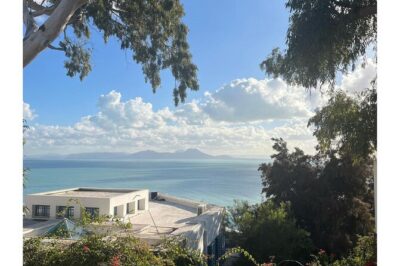
VIP Tour: Tunis Medina/Bardo, Sidi Bou Said, Carthage
Read our review →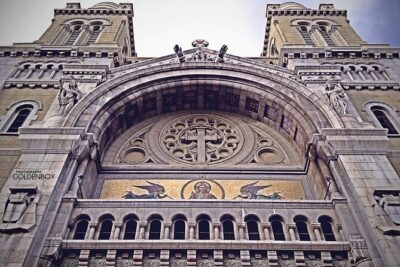
Private tour: Medina,Carthage ,Sidi Bou Said, Bardo Museum+lunch
Read our review →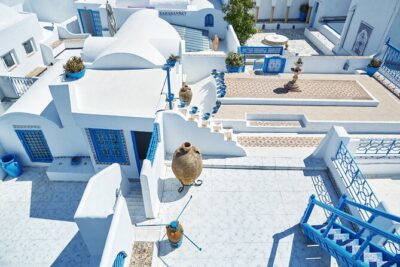
Carthage, Bardo Museum, Sidi Bou Said and Medina Private Day Tour
Read our review →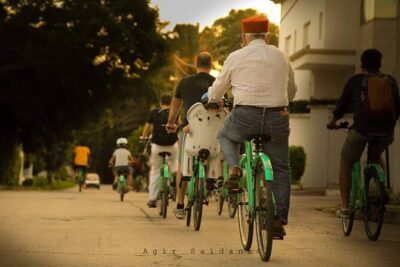
Guided Bike Tour of Carthage Archeological Site in Tunisia
Read our review →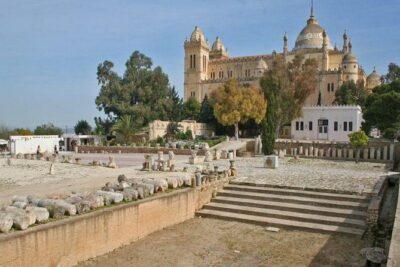
1 day excursion Tunis Sidi Bousaid Carthage departure from Sousse
Read our review →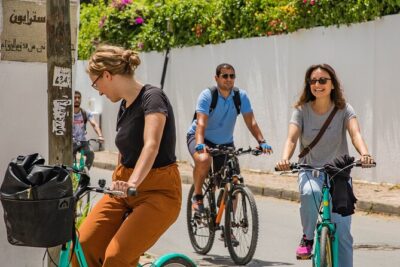
Group Guided Bike Tour of Carthage Archeological Site in Tunisia
Read our review →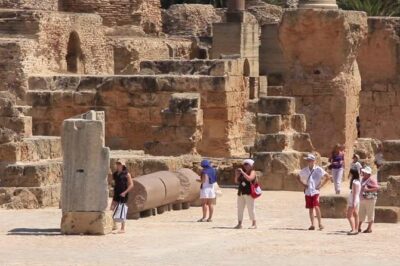
Archaelogical Site Of Carthage + Picturesque Village Of Sidi Bou Said
Read our review →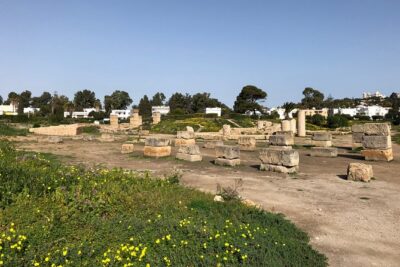
Browse the lists this tour appears in