
Reviewed · GUIDED
Roman Archeology Guided Tour Thuburbo Majus & Uthina
Roman North Africa works best when you can see the big ideas, not just individual ruins. This trip strings together three standout stops, so you get the Roman story in one 7-hour loop: water engineering at Zaghouan, Roman urban life at Uthina, and the refined architecture at Thuburbo Majus.
I love the mix of scale and detail. You spend real time amid forum steps and temples, then you switch gears to the long-view logic of an aqueduct that once fed Carthage, all guided in plain language by local expert Fathi. One thing to consider: lunch is not included, and the aqueduct stop is short, so plan your timing and ask where to focus your photos when you arrive.
Key Highlights You’ll Actually Notice
- Three sites, one clear Roman arc from water supply to city life and monumental temples
- Local guidance from Fathi, a retired professor who connects the dots between Punic, Roman, and later eras
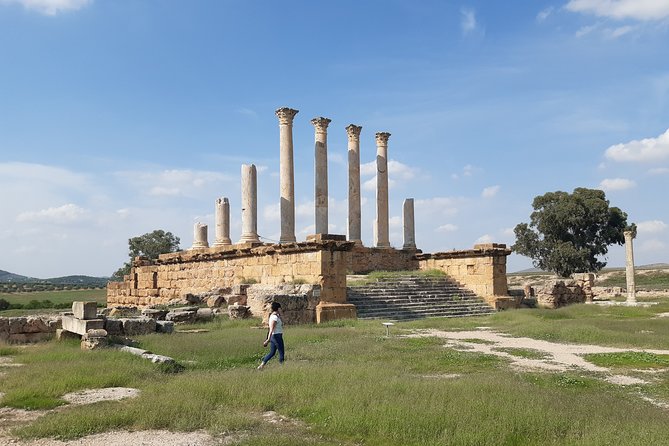
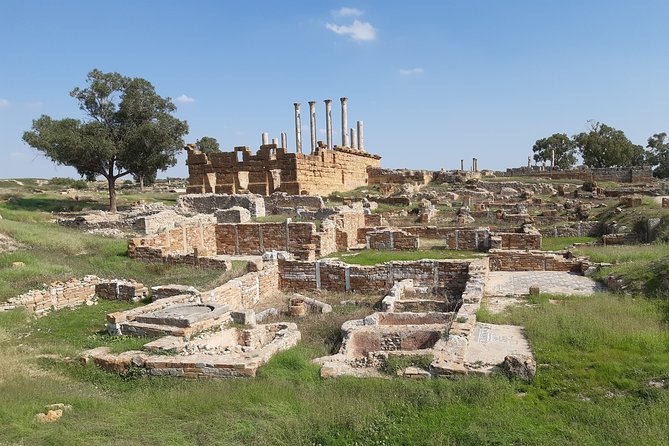
- Thuburbo Majus looks bigger than you expect, with a strongly preserved Capitol and forum viewpoint
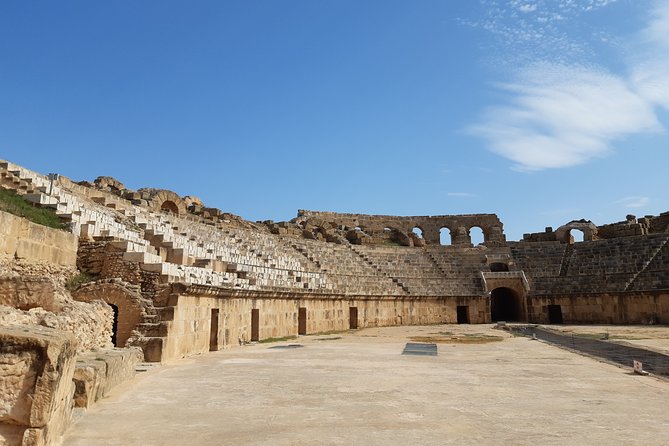
- Uthina’s amphitheater feels special, and the site has a real sense of being worked on and opened up
- Included entry where it matters, so you are not scrambling for tickets mid-day
- Private, uncrowded feel, which makes walking and listening much easier
A Roman Archaeology Route That Moves With Purpose
This is the kind of day that feels efficient without feeling rushed. You start with Uthina (Oudhna), head to the Zaghouan aqueduct area, then finish at Thuburbo Majus. The order helps your brain: you see how Romans built the infrastructure, then you see how that infrastructure supported daily life and public monuments.
You are also traveling in comfort. You get pickup, a private air-conditioned vehicle, and WiFi on board. Since this is a private tour, you are not sharing the day with random strangers, which matters at archaeological sites where your best moments often come from slow looking.
At $140.96 per person for about 7 hours, this is not a budget “hop-on, hop-off” option. It is more like buying time with a good guide and transportation so you can connect the sites properly.
More from Tunis to compare against
- Guided Bike Tour of Carthage Archeological Site in Tunisia
★ 5.0 · 88 reviews - Guided tour in the UNESCO world heritage Medina of Tunis
★ 5.0 · 68 reviews - Group Guided Bike Tour of Carthage Archeological Site in Tunisia
★ 5.0 · 57 reviews
Uthina (Oudhna): Punic-Era Land, Roman-Era Monuments, and an Amphitheater You Can Picture
Uthina sits about 30 km south of Tunis, on a height that overlooks the main routes into Carthage from the south and the west. That geography is not just background. It explains why the place mattered, and why so many eras tried to own it.
Historically, the site has a layered identity. It seems to trace back to the Berber era through its name. Then it was punished and romanized, with two brief periods under Vandal and Byzantine control, before a definitive decline after the Arab conquest in the 7th century. When you stand on a backed-up site that stretches over roughly a hundred hectares, you start to feel why history keeps rewriting the same strategic hilltop.
You will see impressive Roman-era remains spread across the area, and the vibe of the ruins is expansive rather than tight. A highlight here is the amphitheater. I like this kind of stop because the building form is easy to visualize even when not every wall is complete. It is also a real draw because the amphitheater has been increasingly uncovered in recent work, so it does not feel like you are looking at something frozen in time.
Why Uthina is worth your time
- The setting helps everything click. You can connect why people fought, rebuilt, and invested here.
- You are not just looking at columns. You are looking at how public entertainment was staged in Roman North Africa.
- The guide tone matters. With Fathi, the Punic-to-Roman transition is explained without turning into a lecture.
Possible drawback to plan for
This stop is scheduled at about 1 hour 30 minutes, so you will have to choose your “linger spots.” If you love amphitheaters, focus there first, and use the rest of the time to wander between the larger Roman structures.
Point the Tunis day somewhere else:
- Private Tour to Kairouan, El Jem & Monastir from Tunis_hammamet
★ 5.0 · 301 reviews - Private tour: Medina,Carthage ,Sidi Bou Said, Bardo Museum+lunch
★ 5.0 · 230 reviews - Carthage, Bardo Museum, Sidi Bou Said and Medina Private Day Tour
★ 4.5 · 153 reviews - Private Excursion to Testour, Dougga and Bulla Regia from Tunis.
★ 5.0 · 100 reviews
Zaghouan Aqueduct: Roman Water Supply on a 132 km Scale
The Zaghouan aqueduct stop is short, but it is the kind of short stop that changes how you see the rest of Roman Tunisia. Romans did not just build monuments, they built systems. This one was designed to supply water for Carthage, and the Zaghouan-Carthage hydraulic complex is described as the largest of its kind ever built.
Built at the beginning of the 2nd century AD, this is a “follow the line” kind of ruin. The pipeline moves across rugged terrain in ways that keep you interested: sometimes it runs close to the ground, sometimes underground, and on certain portions it rises on arcades that can reach more than 20 meters high. Even if you are not walking every meter of it, you get the logic.
The scale is also mind-boggling in practical terms. The flow has been estimated at around 30 million liters per day. Most of that water would have been stored in huge vaulted reservoirs visible at Maalga, at the entrance to Carthage, before feeding the Baths of Antonine.
The small-time problem, and how to solve it
The aqueduct stop is about 20 minutes, and this can feel too brief if you want long photo breaks or extra explanations. If you care about seeing the best viewing angle, tell your guide right away when you get there. With the right spot and a couple of good minutes of context, 20 minutes can still feel satisfying.
If you want extra time here, you can still make it work. Take quick, practical photos first (wide view, then any close views available), then ask Fathi to point out what you are looking at so your brain keeps the “system” in frame.
Thuburbo Majus: Capitol Grandeur, Two Bathing Seasons, and a City That Rebranded Itself
Thuburbo Majus is the big finale, and it tends to land harder because it looks more monumental once you are actually there. The city was founded on a hill with a fertile valley around it, and it predates the Roman Empire. But it is the Roman remains that make it one of the most beautiful archaeological sites in Tunisia.
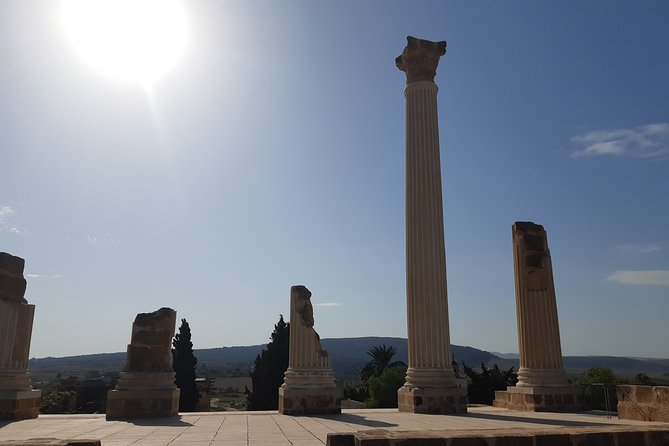
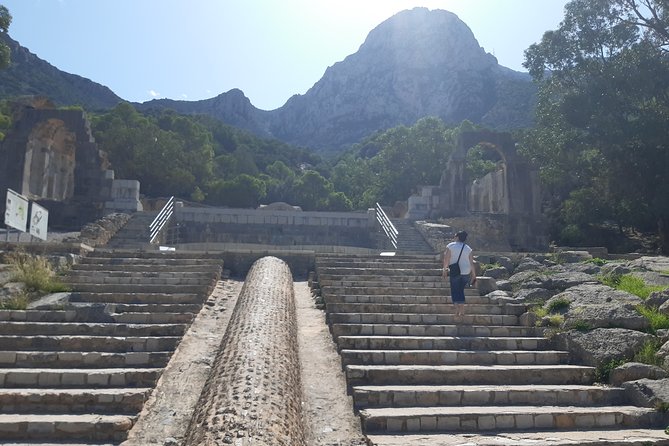
The star here is the Capitol, the most important temple type in Roman cities. The Capitol at Thuburbo Majus is among the best preserved in the country. You are looking at a façade with six Corinthian columns. Four of those columns are still intact and overlook a wide staircase that drops your eye toward the Forum.
This is the kind of arrangement that helps you understand Roman civic pride. People did not just gather randomly. They climbed, framed views, and practiced their sense of order and power in stone.
Baths, seasonality, and why details like this matter
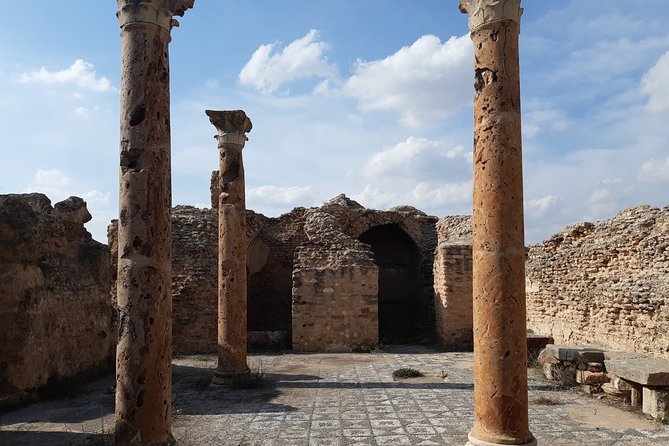
One of the more interesting things you will hear about is that the city had two bathing establishments, one for winter and one for summer. That sounds small until you remember what Roman public baths were: social spaces, health spaces, and a daily rhythm. Two bath setups tells you the city invested in comfort and routine, not just spectacle.
And you will also hear about the city’s revival. After a decline in the middle of the 3rd century, Thuburbo Majus experienced a renaissance in the 4th century. In that brighter chapter, it proclaimed itself Respublica Felix Thuburbo Majus. The phrase is a clue that this was not a tired ruin. It was a community asserting optimism and status during a new era.
How long you get here
You have about 1 hour at Thuburbo Majus. That is enough to see the Capitol and understand the layout, especially with a guide like Fathi who explains what you are facing and why it was built this way.
If you love architecture, prioritize the Capitol viewpoint and the Forum stairs early. If you love atmosphere, save a minute for a slow look around the hill and valley framing, because the setting helps you understand why the Romans chose this spot.
Price and Value: What You’re Paying for at $140.96
Let’s talk money without the fluff. At $140.96 per person, you are paying for four things bundled together:
- Transportation in a private, air-conditioned vehicle with pickup
- A real local guide who connects multiple eras at multiple sites
- Included entry fees for the key stops
- On-board comfort, including WiFi
Lunch is not included, so you will likely spend extra on your own. But if you factor in admission and the effort of coordinating transport between three locations, the price starts to look fair, especially for a private setup.
Also, this tour is listed as having group discounts, which can help if you are traveling with friends. And it uses a mobile ticket, which typically makes entry days smoother because you are not juggling paper.
To me, the best value part is the guide. Archaeology can turn into “lots of stones” if you do not know what to look for. With Fathi’s teaching style, you get the meaning of layouts, the why behind construction choices, and the shift from Punic to Roman to later periods.
How to Plan Your 7-Hour Day Without Stress
A few practical habits will make this trip feel better.
Wear shoes you trust. Even when ruins look flat, archaeological ground can be uneven. You will be walking between monuments and viewpoints, and the ground can surprise you.
Bring sun and water. The sites are outdoors, and you do not want to spend the best minutes thirsty. The tour does not mention water being provided, so I treat it as bring-your-own territory.
Use the short stops wisely. The aqueduct is only about 20 minutes, and you will want to see Thuburbo Majus properly with its Capitol and Forum steps. Do not treat every minute as equal time. Spend your best attention on the places you care about most.
Ask your guide for your first “anchor view.” When you arrive at a site, have Fathi point out one view that explains the whole place. Then you can wander without getting lost.
Plan for lunch outside. Since lunch is not included, you will want a plan for what you will do after the tour or when you can grab something nearby. Think simple: a snack break before the heaviest walking, or a meal after Thuburbo Majus.
Who This Tour Suits Best
This is ideal if you like Roman sites that are not just famous, but understandable. You want the “big picture,” like how water systems supported cities, and how temples, forums, and bath culture shaped daily life.
I also think this tour works well for people who appreciate a guided pace. The sites are large and spread out enough that a good narrative helps you keep your bearings fast.
If you are the type who wants long stops at one site, you might find the schedule tight. The tour is built as a three-stop arc, not a slow, single-site marathon. Still, if your goal is to see a strong Roman trio in one day, it hits the mark.
Should You Book This Roman Tour?
If you want a private day with Uthina, Zaghouan aqueduct, and Thuburbo Majus all tied together by a strong local teacher, I’d book it. The included transport and entry fees reduce hassle, and the structure of the route gives you context, not just a checklist.
I would only pause if you are specifically chasing a long time at the aqueduct. The aqueduct segment is brief, around 20 minutes, so make sure you are comfortable with that style of stop.
FAQ
How long is the Roman Archeology Guided Tour Thuburbo Majus & Uthina?
The tour duration is approximately 7 hours.
Is pickup offered?
Yes, pickup is offered.
Is this a private tour?
Yes, it is private, so only your group participates.
Are admission tickets included?
Admission tickets are included for Uthina (Stop 1) and Thuburbo Majus (Stop 3). The aqueduct stop (Stop 2) has admission ticket free.
Is lunch included?
No, lunch is not included.
Is WiFi available on board?
Yes, WiFi is available on board.
What is the cancellation policy?
You can cancel for free up to 24 hours in advance for a full refund. If you cancel less than 24 hours before the start time, the amount is not refunded.
Are service animals allowed?
Yes, service animals are allowed.
When is this tour typically booked?
On average, it is booked about 36 days in advance.
If you tell me your travel dates and what you care about most, I can help you decide whether this 3-stop pace matches your style.
Fresh reviews around Tunis
- Private Group Day Tour Tunis Medina Carthage Sidi Bou Said★ 4.5 · 3 reviews
- Explore Tunisia in Depth:The Private Grand Tour in 8 Days★ 5.0 · 3 reviews
- Private Tour Bardo Museum, Carthage, Sidi Bou Said and Medina★ 4.5 · 3 reviews
- 3-Day South of Tunisia Guided Tour from Tunis★ 4.0 · 3 reviews
- Private Tour to Kairouan, El Jem and Sousse★ 5.0 · 4 reviews
- Private Excursion to the Cap Bon Peninsula★ 5.0 · 4 reviews
- From Tunis: Star Wars 5 day tour★ 5.0 · 4 reviews
- 4-Day Private Tour: Sahara and Djerba Island from Tunis and Hammamet★ 5.0 · 4 reviews
Guided, compared.
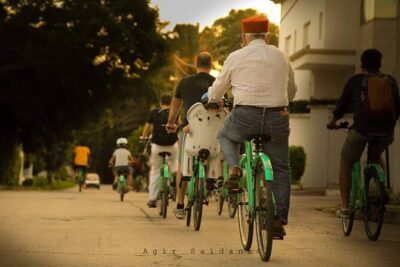
Guided Bike Tour of Carthage Archeological Site in Tunisia
Read our review →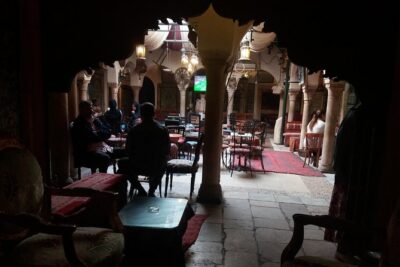
Guided tour in the UNESCO world heritage Medina of Tunis
Read our review →

Group Guided Bike Tour of Carthage Archeological Site in Tunisia
Read our review →
Guided Tour of Djerba island, Museums, Crocodile park & lunch
Read our review →
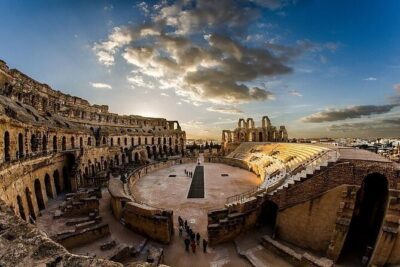
Private and Guided Tour to Kairouan and El Jem and Monastir
Read our review →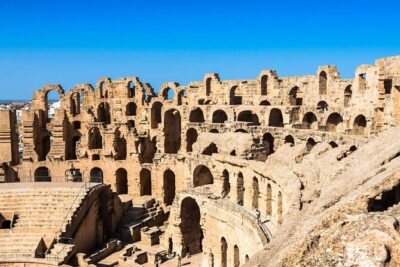
Kairouan & El Djem Guided Day Trip with Lunch from Hammamet
Read our review →Browse the lists this tour appears in